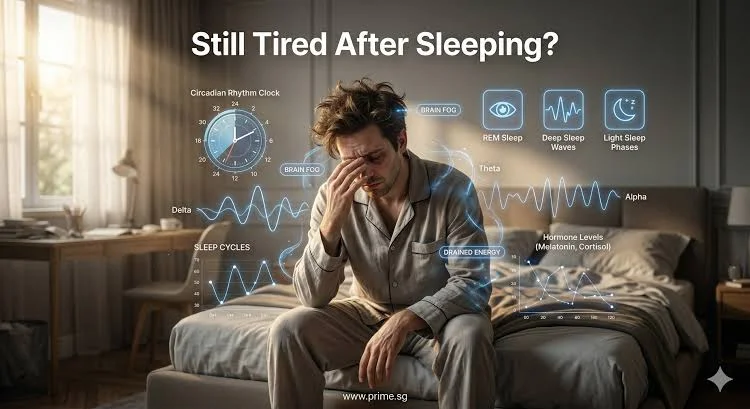
7 Everyday Habits That May Affect Your Sleep
Struggling to fall asleep or waking up tired despite spending enough time in bed? Your everyday routine could be affecting your sleep quality. From late-night screen use to irregular bedtimes, small habits may interfere with your body's natural sleep cycle.
Here are 7 everyday habits that may affect your sleep and simple ways to improve your nightly rest.
Grow Your Business with Janatha Mirror
Reach 50,000+ daily readers across Andhra & Telangana
1. Using Your Phone Before Bed
Scrolling through social media or watching videos late at night can delay bedtime. Bright light and stimulating content may make it harder to wind down.
Tip: Put your phone away before bedtime and follow a relaxing routine.
2. Drinking Caffeine Late in the Day
Coffee, tea, energy drinks and some soft drinks contain caffeine, which can keep you alert for hours.
Grow Your Business with Janatha Mirror
Reach 50,000+ daily readers across Andhra & Telangana
Tip: Avoid caffeine in the afternoon and evening, especially if you are sensitive to it.
3. Following an Irregular Sleep Schedule
Going to bed and waking up at different times every day can disrupt your body's internal body clock.
Tip: Maintain a consistent sleep and wake-up time, including on weekends.
Grow Your Business with Janatha Mirror
Reach 50,000+ daily readers across Andhra & Telangana
4. Eating Heavy Meals Late at Night
Large or spicy meals close to bedtime may cause indigestion or acid reflux, making it uncomfortable to sleep.
Tip: Try to finish heavy meals a few hours before going to bed.
5. Drinking Alcohol Before Sleep
Alcohol may make you feel sleepy initially, but it can disrupt sleep later in the night and reduce sleep quality.
Tip: Avoid using alcohol as a way to fall asleep.
6. Not Getting Enough Physical Activity
A sedentary lifestyle may affect sleep quality and overall well-being.
Tip: Include regular walking or other physical activity in your daily routine. If vigorous exercise close to bedtime makes you feel alert, move it earlier.
7. Taking Long or Late Afternoon Naps
Long naps or naps late in the day can reduce your natural sleep drive and make it harder to fall asleep at night.
Tip: If you need a nap, keep it short and earlier in the afternoon.
How Much Sleep Do You Need?
Most adults need at least 7 hours of sleep each night, although individual needs vary. A quiet, dark bedroom and a regular bedtime routine can help support better rest.
Read also:
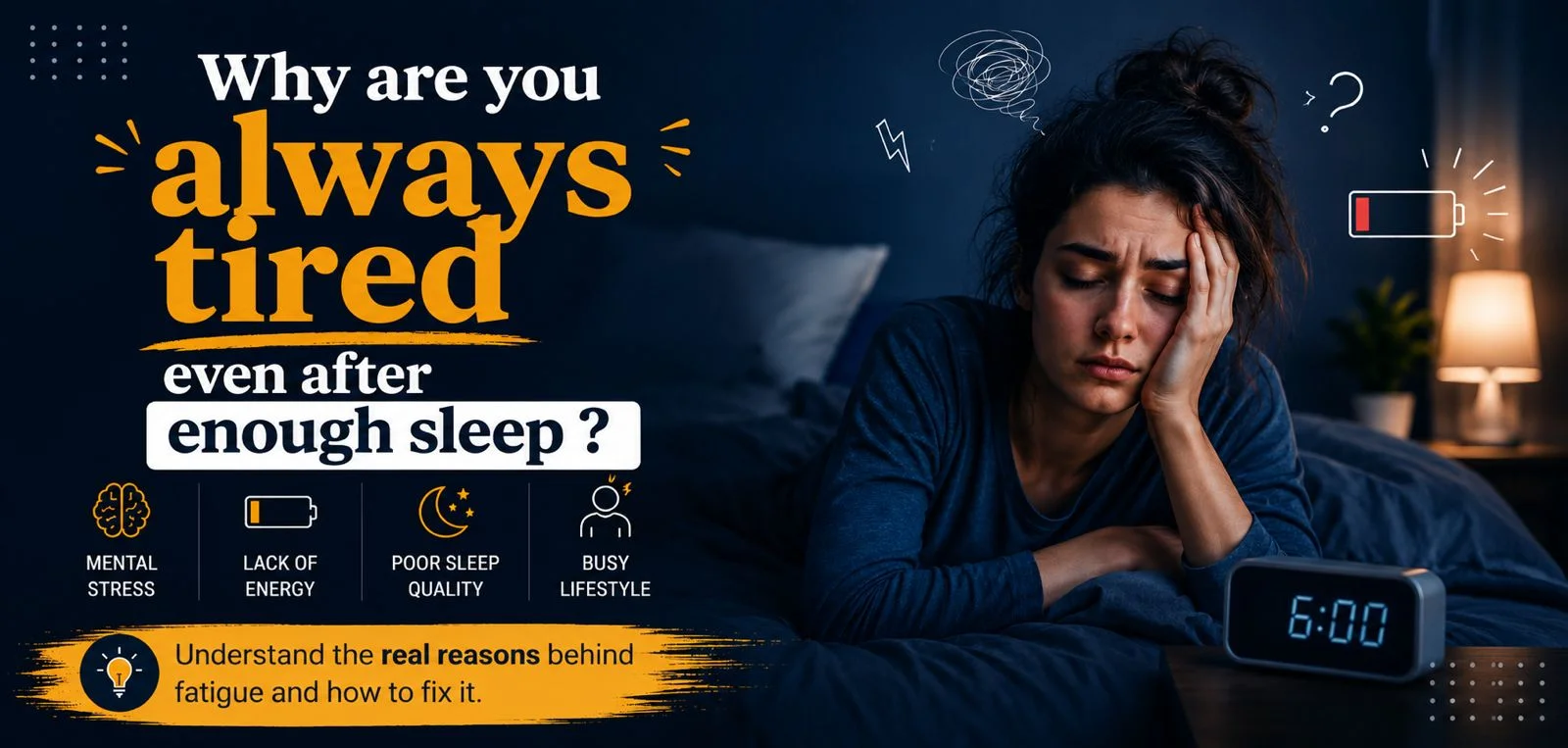
Why Do We Feel Tired Even After Sleeping Enough?
When to seek help: If you regularly struggle to sleep, feel exhausted during the day or experience loud snoring and gasping during sleep, consult a healthcare professional.
The takeaway: Small daily changes can support healthier sleep habits. Start with one or two changes and build a routine that works for you.
Health disclaimer: This article is for general information only and is not a substitute for professional medical advice.
💬 Reader Opinions & Discussion0
Login Required to Share Your Opinion
Only verified and logged-in readers can post opinions on Janatha Mirror news stories.