Dussehra 2026: Indian Temples and Places Where Ravana’s Effigy Is Not Burnt
Discover six Indian places where Ravana’s effigy is not traditionally burnt during Dussehra, including Bisrakh, Mandore and Ravangram.
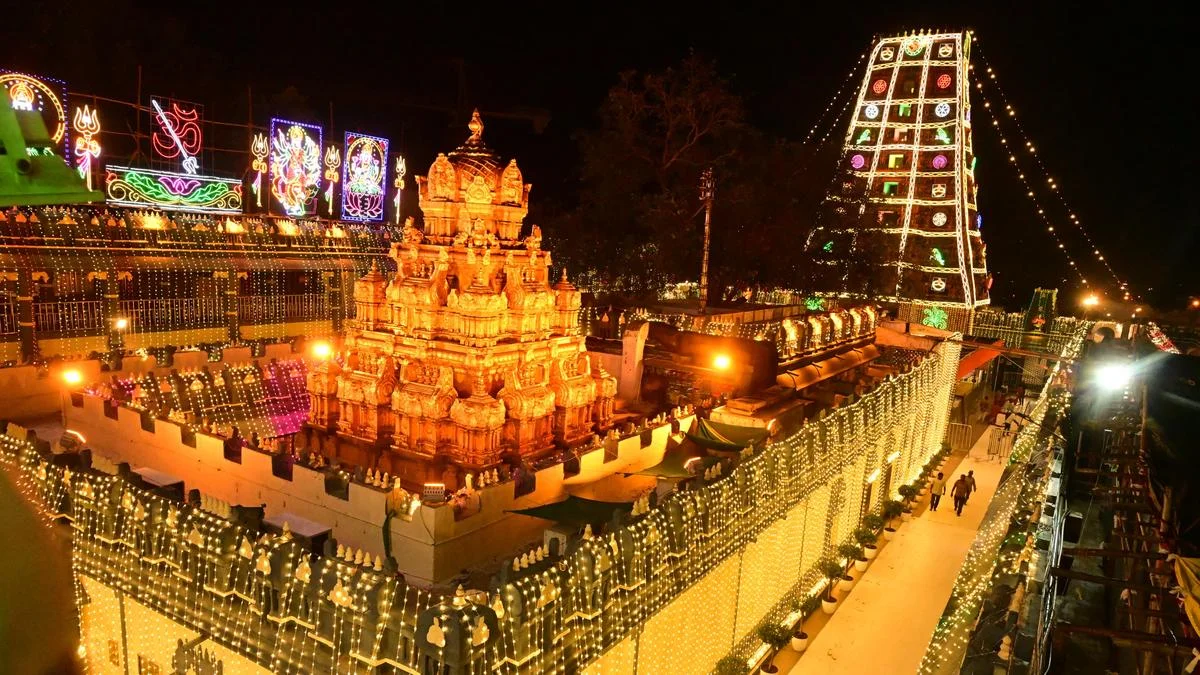
Dussehra, also known as Vijayadashami, will be celebrated on October 20, 2026. While burning Ravana’s effigy is a major tradition across India, some temples and communities follow different customs. In these places, Ravana is respected for his knowledge, devotion to Lord Shiva or ancestral connections.
1. Bisrakh, Uttar Pradesh
Bisrakh village near Greater Noida is believed by local residents to be Ravana’s birthplace. People here revere Ravana as a learned scholar and Shiva devotee. Unlike many other places, the village does not traditionally celebrate Dussehra by burning his effigy.
Grow Your Business with Janatha Mirror
Reach 50,000+ daily readers across Andhra & Telangana
2. Mandore, Rajasthan
In Mandore near Jodhpur, some members of the Dave Brahmin community consider Ravana an ancestor. Their customs include rituals associated with remembrance rather than the usual Ravana Dahan celebrations.
3. Ravangram, Madhya Pradesh
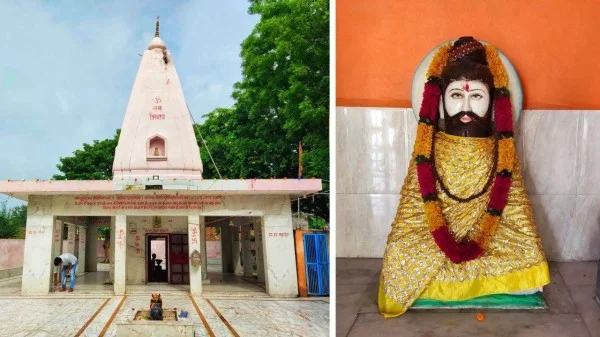
Ravangram village is known for a reclining idol of Ravana. Local residents worship him as Ravan Baba and follow traditions that differ from the widespread practice of burning his effigy during Dussehra.
4. Baijnath, Himachal Pradesh
The ancient Baijnath Temple is associated with legends about Ravana’s devotion to Lord Shiva. Although the temple is not primarily dedicated to Ravana, its religious traditions highlight his role as a Shiva devotee.
Grow Your Business with Janatha Mirror
Reach 50,000+ daily readers across Andhra & Telangana
5. Kakinada, Andhra Pradesh
Kakinada is associated with local traditions connecting Ravana with the worship of Lord Shiva. These stories offer a different perspective on Ravana beyond his role as Lord Rama’s adversary in the Ramayana.
6. Bastar, Chhattisgarh
Bastar Dussehra is celebrated through distinctive tribal customs and rituals dedicated to Maa Danteshwari. Unlike conventional Dussehra celebrations, the festival does not centre on burning Ravana’s effigy.
Why Do These Places Follow Different Traditions?
Ravana is commonly remembered as the antagonist of the Ramayana. However, some communities respect him for his scholarship, devotion to Shiva or ancestral associations. These traditions reflect India's diverse religious beliefs and cultural practices.
Grow Your Business with Janatha Mirror
Reach 50,000+ daily readers across Andhra & Telangana
Dussehra is celebrated differently across India. From Bisrakh to Bastar, these unique traditions demonstrate that the festival extends beyond Ravana Dahan and reflects the country’s rich cultural diversity.
💬 Reader Opinions & Discussion0
Login Required to Share Your Opinion
Only verified and logged-in readers can post opinions on Janatha Mirror news stories.