10 Early Warning Signs of High Blood Sugar
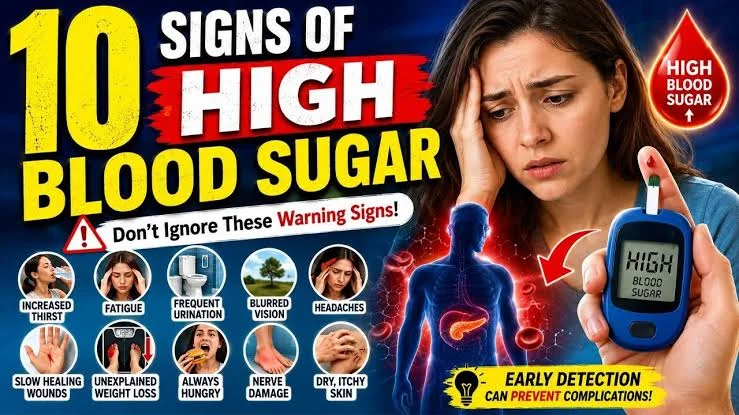
Learn 10 early warning signs of high blood sugar, including excessive thirst, frequent urination, fatigue, blurred vision, and slow-healing wounds.
High blood sugar can develop without obvious symptoms. Recognizing early warning signs and getting tested can help identify diabetes and prevent serious complications.
High blood sugar, medically known as hyperglycemia, occurs when glucose levels in the bloodstream rise above the normal range. It is commonly associated with diabetes, although certain medications, illnesses, and other health conditions can also contribute to elevated blood glucose levels.
Grow Your Business with Janatha Mirror
Reach 50,000+ daily readers across Andhra & Telangana
Medical professionals advise people to pay attention to persistent changes in thirst, urination, energy levels, vision, and body weight. Although these symptoms do not always indicate diabetes, they should not be ignored, particularly when several occur together.
Here are 10 early warning signs of high blood sugar that everyone should know.
1. Excessive Thirst
Feeling unusually thirsty throughout the day is one of the common symptoms of high blood sugar. When glucose levels rise, the kidneys attempt to remove excess glucose through urine, increasing fluid loss and potentially causing dehydration.
Grow Your Business with Janatha Mirror
Reach 50,000+ daily readers across Andhra & Telangana
If you frequently feel thirsty despite drinking enough water, consider getting your blood sugar checked.
2. Frequent Urination
Urinating more often than usual, especially during the night, can be an early sign of elevated blood glucose.
When blood sugar becomes too high, the kidneys may remove excess glucose through urine. This process draws additional water into the urine, increasing its volume.
Grow Your Business with Janatha Mirror
Reach 50,000+ daily readers across Andhra & Telangana
Persistent frequent urination should be discussed with a healthcare professional.
3. Unusual Fatigue and Weakness
Constant tiredness, low energy, and difficulty concentrating may occur when blood sugar levels are elevated.
Although glucose is the body's primary energy source, diabetes can interfere with the body's ability to use it effectively. Dehydration and other metabolic changes may also contribute to fatigue.
However, fatigue has many possible causes, including poor sleep, anemia, and thyroid disorders.
4. Unexplained Weight Loss
Losing weight without changing your diet or exercise routine can sometimes indicate uncontrolled diabetes.
When the body cannot use glucose effectively, it may begin breaking down stored fat and muscle for energy. This can lead to unexpected weight loss, sometimes accompanied by increased hunger and thirst.
Unintentional weight loss requires medical evaluation.
5. Blurred Vision
Sudden or fluctuating changes in vision can occur when elevated blood glucose changes the fluid balance in the eye's lens.
Some people notice that their vision becomes blurry and later improves as glucose levels change. Persistent or sudden vision changes should never be ignored, as other eye conditions may also be responsible.
Seek urgent medical attention for sudden vision loss or severe eye symptoms.
6. Increased Hunger
Feeling hungry soon after eating may be another symptom of diabetes.
When insulin production or insulin action is impaired, the body may struggle to use glucose effectively. This can leave some people feeling unusually hungry even after meals.
Increased hunger alone does not confirm high blood sugar, but it deserves attention when combined with other symptoms.
7. Slow-Healing Cuts and Wounds
High blood sugar can interfere with normal wound healing and affect blood circulation and immune function.
People with poorly controlled diabetes may notice that minor cuts, blisters, or sores take longer than expected to heal. Wounds on the feet deserve particular attention because untreated infections can become serious.
Seek medical advice for wounds that worsen, become red or swollen, produce pus, or fail to heal.
8. Frequent Infections
Repeated infections may sometimes be associated with elevated blood glucose levels.
People with diabetes can be more susceptible to certain skin infections, urinary tract infections, and fungal infections, including genital yeast infections.
Frequent infections do not necessarily mean a person has diabetes, but blood glucose testing may be appropriate when other warning signs are present.
9. Tingling or Numbness in the Hands and Feet
Persistent high blood sugar can damage nerves over time, a complication known as diabetic neuropathy.
Symptoms may include tingling, burning sensations, pain, or numbness in the feet and hands. These symptoms are more commonly associated with longstanding or poorly controlled diabetes than with a brief rise in blood glucose.
Early evaluation can help identify the cause and reduce the risk of further nerve damage.
10. Dry Skin and Itching
Dry, itchy skin can occur when high blood sugar contributes to dehydration. Diabetes may also increase the risk of certain fungal and other skin infections.
Persistent itching, especially when accompanied by excessive thirst, frequent urination, or unexplained weight loss, should prompt a medical assessment.
How Can You Check Whether Your Blood Sugar Is High?
The most reliable way to determine whether you have diabetes is through appropriate blood tests.
Common diagnostic tests include:
Fasting plasma glucose: A level of 126 mg/dL or higher may indicate diabetes.
HbA1c test: A result of 6.5% or higher may indicate diabetes. This test reflects average blood glucose over approximately two to three months.
Oral glucose tolerance test: A two-hour glucose level of 200 mg/dL or higher during a standard 75-gram glucose tolerance test may indicate diabetes.
Random plasma glucose: A level of 200 mg/dL or higher, together with classic diabetes symptoms or a hyperglycemic crisis, may support a diabetes diagnosis.
In people without clear symptoms, an abnormal diagnostic result generally needs confirmation with repeat testing. A healthcare professional should interpret the results in context.
When Is High Blood Sugar a Medical Emergency?
Very high blood sugar can sometimes lead to life-threatening complications, including diabetic ketoacidosis (DKA) and hyperosmolar hyperglycemic state (HHS).
Seek emergency medical care if high blood sugar is accompanied by symptoms such as:
Vomiting or severe abdominal pain.
Rapid or deep breathing.
Fruity-smelling breath.
Severe dehydration or extreme weakness.
Confusion, unusual drowsiness, or reduced consciousness.
These symptoms require immediate evaluation rather than home treatment alone.
Can You Reduce the Risk of High Blood Sugar?
Healthy daily habits can help improve blood glucose control and reduce the risk of developing type 2 diabetes.
Eat balanced meals with vegetables, whole grains, legumes, and appropriate portions of protein.
Limit sugary drinks and reduce excessive intake of refined carbohydrates.
Engage in regular physical activity, according to your health and fitness level.
Maintain a healthy weight where appropriate.
Get adequate sleep and attend recommended health screenings.
Follow your prescribed diabetes treatment plan if you have already been diagnosed.
People taking insulin or certain diabetes medicines should consult their healthcare professional before making major dietary or exercise changes, as these changes can affect blood glucose levels.
Final Takeaway
High blood sugar does not always cause noticeable symptoms, especially during the early stages of type 2 diabetes. Excessive thirst, frequent urination, fatigue, blurred vision, and unexplained weight loss are among the warning signs worth recognizing.
However, symptoms alone cannot diagnose diabetes. If you notice persistent symptoms or have risk factors for diabetes, arrange a blood glucose test and seek professional medical advice.
Disclaimer: This article is for general educational purposes and does not replace professional medical advice, diagnosis, or treatment.
💬 Reader Opinions & Discussion0
Login Required to Share Your Opinion
Only verified and logged-in readers can post opinions on Janatha Mirror news stories.