
Masoor Dal Face Pack: Can Red Lentils Really Make Your Face Glow? Benefits, Uses and Precautions
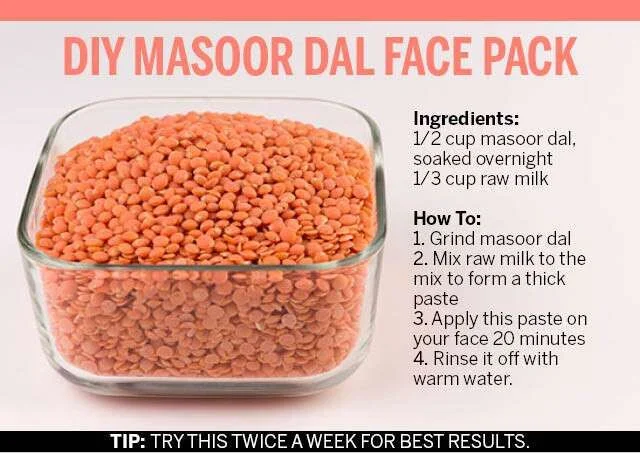
Discover the possible benefits of a masoor dal face pack, how to prepare it at home and what dermatologists advise about irritation and skin-brightening claims.
Janatha Mirror | Health & Beauty
Looking for simple ways to care for your skin at home? Masoor dal, also known as red lentils, is a popular ingredient in traditional DIY face packs. Often promoted as a natural remedy for glowing skin and tan removal, this kitchen staple has attracted attention among people looking for affordable skincare options. But does applying a masoor dal face pack actually change your complexion?
Grow Your Business with Janatha Mirror
Reach 50,000+ daily readers across Andhra & Telangana
What are the possible benefits?
Soaked and finely ground masoor dal is traditionally used as a facial paste. Its texture may provide mild physical exfoliation, helping remove some dead skin cells from the surface. As a result, the skin may temporarily feel smoother and look fresher.
However, there is limited scientific evidence to show that masoor dal can lighten a person's natural skin colour, reliably remove a tan or eliminate dark spots. Claims that it guarantees a fairer complexion should therefore be treated with caution.
Read also :
Grow Your Business with Janatha Mirror
Reach 50,000+ daily readers across Andhra & Telangana
How to prepare a masoor dal face pack at home
Ingredients:
Grow Your Business with Janatha Mirror
Reach 50,000+ daily readers across Andhra & Telangana
1–2 tablespoons of masoor dal
Water as needed
Method:
Soak the lentils in water for a few hours.
Grind them into a smooth paste, adding a little water if necessary.
Before applying it to the face, test a small amount on a limited area of skin.
If there is no irritation, apply gently without scrubbing hard.
Rinse carefully and follow with a suitable moisturiser.
Avoid leaving the paste on for too long, particularly if you have never used it before. Wash it off immediately if you experience burning, itching or redness.
Who should be cautious?
A homemade face pack may not suit every skin type. People with sensitive skin, eczema, rosacea, inflamed acne or damaged skin should seek advice from a dermatologist before trying abrasive or unfamiliar ingredients. Allergic reactions are also possible.
Avoid adding lemon juice directly to a face pack, as it may irritate the skin. Natural ingredients are not automatically safe for everyone, and excessive scrubbing can worsen dryness and irritation.
What helps skin look healthier?
A consistent skincare routine is generally more reliable than expecting dramatic results from a homemade remedy. Gently cleanse your face, use a moisturiser suited to your skin and apply sunscreen during the day. If pigmentation, persistent tanning or dark spots are a concern, consult a qualified dermatologist for evidence-based treatment options.
The takeaway: A masoor dal face pack may temporarily make the skin feel smoother, but there is no guarantee that it will change your complexion or remove pigmentation. Use it cautiously, and prioritise skin health over claims of instant fairness.
💬 Reader Opinions & Discussion0
Login Required to Share Your Opinion
Only verified and logged-in readers can post opinions on Janatha Mirror news stories.