
Europe’s Gen Z Protests: Why Are Young People Angry Across the Continent?
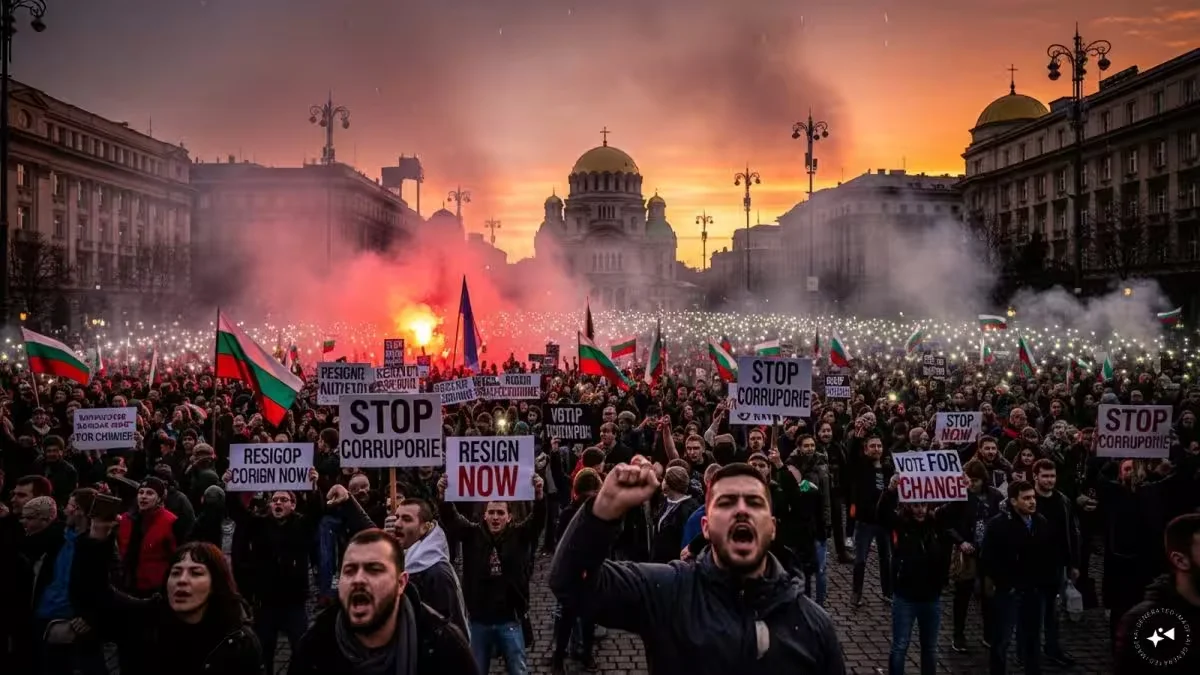
Discover why young people across parts of Europe are protesting over rising living costs, unemployment, expensive housing and economic inequality.
Rising living costs, unemployment, expensive housing and growing economic inequality are fueling frustration among young people across parts of Europe. Countries such as France, Italy, Belgium and Albania have witnessed protests over different economic, political and social concerns. The growing dissatisfaction has raised questions about whether young people can afford a stable future in an increasingly expensive world.
Rising Cost of Living Puts Pressure on Young People
Europe is often associated with a high standard of living, strong public services and social security. However, many young people are increasingly concerned about their financial future. Finding a stable job, paying rent and managing everyday expenses have become major challenges for sections of the younger population.
Grow Your Business with Janatha Mirror
Reach 50,000+ daily readers across Andhra & Telangana
In major cities, housing costs can consume a substantial portion of monthly income. Expenses related to food, transportation, education and other necessities add to the burden. For many young adults, saving money, buying a home or starting a family appears increasingly difficult.
This financial pressure has contributed to a wider debate about whether economic growth is translating into better living standards for ordinary citizens.
Unemployment and Limited Career Opportunities
Employment remains another major concern. Some young graduates struggle to find jobs that match their qualifications, while others face temporary contracts, relatively low wages or limited opportunities for career advancement.
Grow Your Business with Janatha Mirror
Reach 50,000+ daily readers across Andhra & Telangana
When education does not lead to financial stability, frustration can grow. Young people may feel that the promises of a better future through education and hard work are becoming harder to achieve.
The situation varies from country to country, but concerns about job security, wages and long-term career prospects continue to shape discussions about Europe's economic future.
Growing Gap Between the Rich and the Poor
Economic inequality is also contributing to public dissatisfaction. While some households benefit from rising asset values and accumulated wealth, others struggle to meet basic expenses.
Grow Your Business with Janatha Mirror
Reach 50,000+ daily readers across Andhra & Telangana
Housing affordability has become particularly important in this debate. People who already own property may benefit from increases in property values, while younger generations often face higher barriers to entering the housing market.
Concerns about unequal access to education, healthcare, housing and employment have strengthened calls for governments to adopt policies that provide fairer opportunities.
For many protesters, the issue is not simply the cost of living but also whether economic and political systems are responding adequately to the needs of ordinary people.
France, Italy, Belgium and Albania Face Different Challenges
Public protests across Europe have emerged from a range of issues, including economic hardship, labour rights, government policies and political accountability.
France has experienced significant demonstrations in recent years over pension reforms, public policy and living costs. In Italy and Belgium, debates about wages, employment, public services and economic policy have also contributed to public discontent.
In Albania, political accountability, corruption allegations and economic opportunities have been among the issues driving public debate and demonstrations.
However, these countries do not share an identical situation. The causes, scale and intensity of protests differ, and it would be misleading to attribute every demonstration to a single Europe-wide movement.
Likewise, not all young people participating in protests necessarily share the same political views or demands.
How Social Media Is Amplifying Youth Anger
Social media has become an important platform for young people to express dissatisfaction, organise demonstrations and share information about events in other countries.
Images and videos of protests can quickly attract international attention. Young people facing similar challenges may find common ground in concerns about housing, employment, wages and political representation.
Digital platforms can help bring public attention to issues that might otherwise receive limited coverage. However, unverified videos, misleading captions and inaccurate claims can also spread rapidly during periods of unrest.
Information about casualties, arrests, property damage and the scale of demonstrations should therefore be checked against reliable news reports and official statements.
Protests and Violence: Two Different Issues
Peaceful protest is an important democratic right. It allows citizens to express disagreement with government policies and demand changes.
However, violence, arson and the destruction of public property create additional risks. Damage to historic buildings, businesses and public infrastructure can affect local communities, tourism and the wider economy.
It is important to distinguish peaceful demonstrators from individuals involved in violent incidents. Treating every protest as a riot can obscure the concerns that brought people onto the streets in the first place.
Governments face the challenge of maintaining public order while respecting civil liberties and addressing legitimate grievances.
What Can Governments Do to Address Youth Frustration?
Long-term solutions require more than temporary measures to control demonstrations. Governments may need to focus on the underlying economic pressures affecting younger generations.
Key priorities include:
Affordable housing: Expanding housing supply and improving access to reasonably priced rental accommodation.
Better employment opportunities: Supporting job creation, vocational training and pathways from education to stable work.
Fair wages: Ensuring that earnings keep pace with essential living expenses.
Accessible education: Reducing financial barriers that prevent young people from pursuing higher education and professional training.
Economic fairness: Improving access to opportunities and ensuring that public policies respond to the needs of different income groups.
Transparent governance: Strengthening public accountability and building trust between governments and citizens.
Policies tailored to each country's circumstances are likely to be more effective than a single approach applied across the continent.
Growing frustration among young people in parts of Europe reflects concerns that go beyond politics. Financial security, affordable housing, decent employment and equal opportunities are central to their expectations for the future.
💬 Reader Opinions & Discussion0
Login Required to Share Your Opinion
Only verified and logged-in readers can post opinions on Janatha Mirror news stories.