Can GLP-1 Weight-Loss Drugs Reduce Alcohol Consumption? New Research Offers Clues
GLP-1 drugs and alcohol consumption
Emerging clinical research suggests GLP-1 drugs such as semaglutide may reduce heavy alcohol consumption in some patients. Here's what the evidence shows.
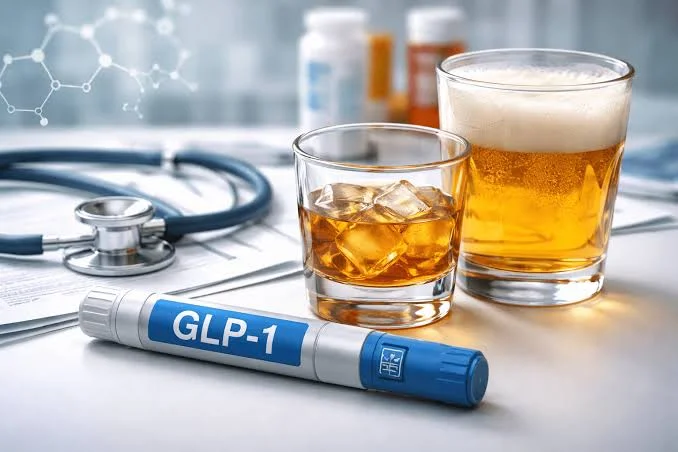
GLP-1 receptor agonists, medications widely used to treat obesity and type 2 diabetes, may also help reduce alcohol consumption in some patients, according to emerging clinical research.
These medications, which include semaglutide, work by regulating appetite and influencing signals involved in hunger and satiety. Researchers are now investigating whether they can also affect the brain's reward pathways, potentially reducing cravings for alcohol and the urge to drink excessively.
Grow Your Business with Janatha Mirror
Reach 50,000+ daily readers across Andhra & Telangana
What Does the Clinical Evidence Show?
A clinical trial involving 108 participants with obesity and alcohol use disorder examined the effects of semaglutide alongside behavioural treatment. Participants receiving semaglutide experienced a greater reduction in heavy-drinking days than those receiving a placebo.
These findings provide encouraging evidence that GLP-1 medications may have a role in reducing harmful alcohol consumption. However, further research is needed to establish how effective these medications are over the long term and which patients may benefit most.
How Could GLP-1 Medications Affect Alcohol Cravings?
GLP-1 receptor agonists act on biological pathways involved in appetite regulation. Scientists believe they may also influence the brain's reward system, which plays a role in motivation, pleasure and substance-related cravings.
Grow Your Business with Janatha Mirror
Reach 50,000+ daily readers across Andhra & Telangana
By potentially changing how the brain responds to alcohol, these medications may reduce the desire to drink or the tendency to consume large amounts. However, the precise mechanisms behind these effects are still being investigated.
Are GLP-1 Drugs Approved to Treat Alcohol Addiction?
Currently, GLP-1 medications are primarily used to manage obesity and type 2 diabetes. Their use for treating alcohol use disorder remains an area of ongoing research, and more large-scale clinical trials are needed before their role in routine treatment can be established.
Patients should not start taking these medications solely to reduce alcohol consumption without consulting a healthcare professional. People who regularly consume large amounts of alcohol should also seek medical advice before stopping suddenly, as alcohol withdrawal can be dangerous.
Grow Your Business with Janatha Mirror
Reach 50,000+ daily readers across Andhra & Telangana
What Does This Mean for Patients?
The emerging evidence suggests that GLP-1 medications could potentially offer an additional approach to managing harmful drinking behaviours in the future. Nevertheless, they should not replace established treatments and professional support for alcohol use disorder.
Early clinical findings suggest that GLP-1 medications such as semaglutide may help reduce heavy alcohol consumption in some patients. Further research is needed to confirm their safety, effectiveness and long-term benefits for people with alcohol use disorder.
💬 Reader Opinions & Discussion0
Login Required to Share Your Opinion
Only verified and logged-in readers can post opinions on Janatha Mirror news stories.