India
Durga Puja 2026 begins on October 16 with Maha Shashthi. Learn the significance of Bodhon, Amantran and Adhivas and why these rituals welcome Maa Durga.
October 14, 2026
Durga Puja 2026
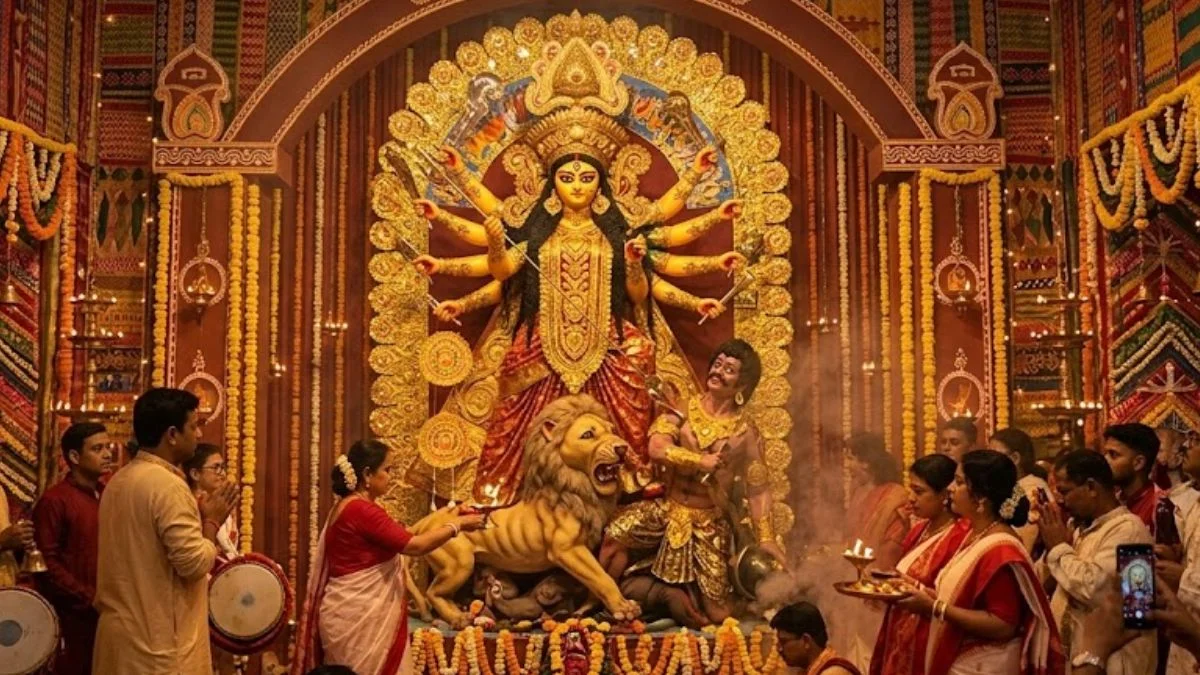
Durga Puja 2026 is set to begin with Maha Shashthi on October 16, marking the ceremonial welcome of Goddess Durga in the Bengali Hindu tradition. The day holds special religious and cultural significance, as devotees perform rituals to invoke the Goddess and prepare for the main celebrations.
PRIVATE DIRECT AD SLOT
Grow Your Business with Janatha Mirror
Reach 50,000+ daily readers across Andhra & Telangana
Among the most important Shashthi rituals are Bodhon, Amantran and Adhivas. Each has a distinct meaning and forms part of the traditional process of welcoming Maa Durga before the principal days of worship.
Why Is Maha Shashthi Important During Durga Puja?
PRIVATE DIRECT AD SLOT
Grow Your Business with Janatha Mirror
Reach 50,000+ daily readers across Andhra & Telangana
Maha Shashthi is traditionally regarded as the formal beginning of Durga Puja celebrations in Bengal. Although preparations and pandal decorations begin well in advance, Shashthi marks the transition from preparations to ceremonial worship.
PRIVATE DIRECT AD SLOT
Grow Your Business with Janatha Mirror
Reach 50,000+ daily readers across Andhra & Telangana
In Bengali tradition, Goddess Durga is lovingly associated with Uma, who returns to her parental home with her children during the festival. This belief gives Durga Puja an emotional dimension, as devotees welcome the Goddess not only as a divine protector but also as a beloved daughter returning home.
Shashthi is also associated with Akal Bodhon, or the untimely awakening of the Goddess. According to a popular retelling of the Ramayana, Lord Rama invoked Maa Durga during autumn before his battle with Ravana, seeking her blessings for victory. This tradition is linked to the autumnal worship of Goddess Durga.
What Is Bodhon? The Ritual of Awakening Maa Durga
Bodhon means awakening. During this ritual, the Goddess is ceremonially invoked as part of the traditional sequence of Durga Puja.
The ritual is associated with the sacred bel tree, also known as the bael tree. Priests perform prescribed ceremonies and recite mantras to invoke the Goddess. Depending on local customs and the puja tradition, a branch of the tree may also be used.
Bodhon symbolises the beginning of the formal welcome to Maa Durga. It is also connected with the legend of Akal Bodhon and the tradition of worshipping the Goddess during autumn.
What Is Amantran? The Invitation to the Goddess
Amantran means invitation. Through this ritual, devotees formally invite Maa Durga to accept their prayers and worship during the festival.
The ceremony expresses the devotion of worshippers who prepare their sacred space to welcome the Goddess. It symbolises an invitation for her divine presence and blessings during the days of celebration.
Amantran is traditionally performed as part of the Shashthi rituals, following the invocation of the Goddess according to the customs observed by the particular puja committee or household.
What Is Adhivas? The Significance of Consecration
Adhivas, also known as Adhibas or Adhivasa, is a ritual of consecration. It involves sanctifying the sacred setting, ritual objects or elements associated with the worship of Maa Durga.
Auspicious materials are used during the ceremony, although the specific items and procedures may vary according to regional traditions and religious practices.
The ritual represents spiritual preparation for the principal days of Durga Puja. Together, Bodhon, Amantran and Adhivas symbolise the awakening of the Goddess, her formal invitation and the consecration of the sacred setting.
Why Is Maa Durga’s Idol Unveiled on Shashthi?
In many Bengali community pujas, Maha Shashthi is associated with the unveiling of Maa Durga’s idol. For devotees, this moment marks the culmination of weeks of preparation and the beginning of the festival’s main celebrations.
However, the timing of idol unveiling can differ between pandals and households. Local traditions and the schedules followed by individual puja committees determine the exact arrangements.
The unveiling remains one of the most anticipated moments of Durga Puja, drawing devotees who gather to offer prayers and seek the Goddess’s blessings.
Durga Puja 2026: What Happens After Shashthi?
The main celebrations continue through Saptami, Ashtami, Navami and Vijayadashami, with each day associated with distinctive rituals.
Maha Shashthi: Bodhon, Amantran and Adhivas mark the ceremonial welcome of Maa Durga.
Maha Saptami: The Nabapatrika ritual is observed in the Bengali tradition.
Maha Ashtami: Devotees participate in Pushpanjali, while Sandhi Puja is performed at the transition between Ashtami and Navami.
Maha Navami: Special prayers and other traditional worship rituals continue.
Vijayadashami: The festival concludes with farewell ceremonies and the immersion of Durga idols, according to local customs.
The precise observance and timing of rituals can vary depending on the regional calendar and traditions followed by individual communities.
A Celebration of Faith, Tradition and Homecoming
Maha Shashthi represents more than the start of Durga Puja’s principal celebrations. Through Bodhon, Amantran and Adhivas, devotees express their reverence for Maa Durga and prepare to welcome her presence.
As the festival begins on October 16, 2026, these rituals will once again bring together faith, cultural heritage and the cherished Bengali tradition of celebrating the Goddess’s annual homecoming.
Source: News9Live; Durga Puja calendar references.
💬 Reader Opinions & Discussion0
🔒
Login Required to Share Your Opinion
Only verified and logged-in readers can post opinions on Janatha Mirror news stories.
Loading reader opinions...