
Why Is an Earthen Karwa Used on Karwa Chauth? The Meaning Behind the Ritual
Discover why an earthen Karwa is used on Karwa Chauth, what the clay pot symbolises and how it is used during the traditional Moon-worship ritual.
Why Is an Earthen Karwa Used on Karwa Chauth?
The Meaning Behind the RitualKarwa Chauth is known for its traditional fasting, evening prayers and the ritual of viewing the Moon through a sieve. But another important item plays a central role in the celebration: the earthen Karwa, or small clay pot. It is used during prayers and in rituals involving water offerings to the Moon. Why is this traditional vessel important, and what does it symbolise? Here is a closer look at the meaning behind the custom.
What Is a Karwa?
The Meaning Behind the Festival's Name
The word “Karwa” traditionally refers to a small pot used to hold water, while “Chauth” means the fourth lunar day. Karwa Chauth is observed on the fourth day of the waning lunar fortnight in the Hindu calendar month associated with Kartik. In many North Indian communities, married women observe a fast and pray for their husbands' health, longevity and family well-being. The Karwa is more than a decorative object; it is a traditional item used in the festival's religious observances.
Read also:Diwali: Want to Celebrate the Festival of Lights in a Special Way? Visit These 4 Amazing Places!
Grow Your Business with Janatha Mirror
Reach 50,000+ daily readers across Andhra & Telangana
Why Is an Earthen Pot Used?
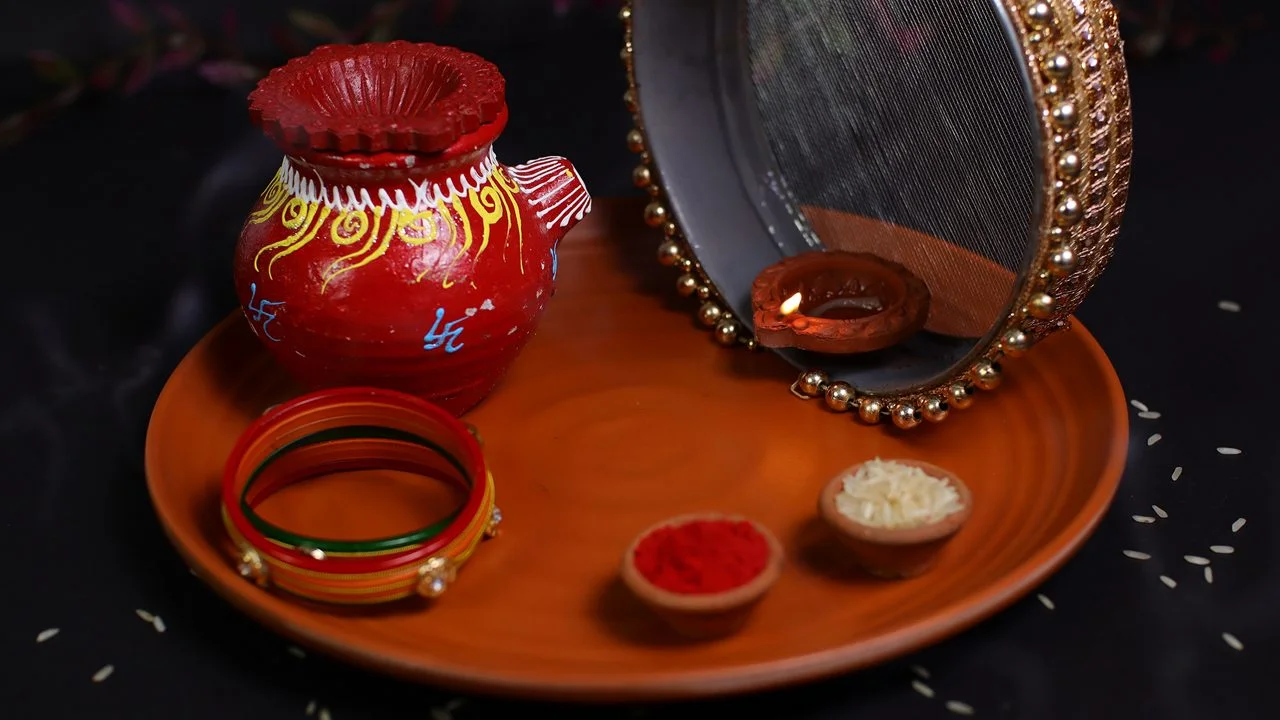
Water holds an important place in Hindu worship and is often associated with purity, life and prosperity. Offering water to a deity is commonly understood as an expression of devotion, respect and gratitude. During Karwa Chauth, a vessel containing water may be used during the puja and for offering Arghya to the Moon after moonrise. The clay pot also represents simplicity and a connection with nature. For many families, using and decorating a traditional Karwa is a way of preserving customs passed down through generations.
Does the Karwa Have an Auspicious Meaning?
In many traditional interpretations, the Karwa is associated with auspiciousness, prosperity and family well-being. Some families decorate the pot with colours, designs and sacred symbols before the evening puja. In certain communities, exchanging or presenting Karwas is also part of the celebration. Such customs can strengthen family relationships and create a sense of connection among women observing the fast together. However, the symbolism and specific practices associated with the vessel vary across regions and households.
Grow Your Business with Janatha Mirror
Reach 50,000+ daily readers across Andhra & Telangana
How Is the Karwa Used During the Puja?
Before the evening ceremony, the Karwa is cleaned and decorated according to family custom. A puja plate may include the vessel, a lamp, vermilion, rice grains, flowers and sweets. Many families offer prayers to Goddess Parvati, Lord Shiva and Lord Ganesha and listen to the traditional Karwa Chauth Vrat Katha. After the Moon appears, water is offered to Chandra Dev, often using the Karwa or another vessel, depending on local practice. The fast is then ended according to the family's tradition. The exact sequence of rituals may differ between communities.
Is an Earthen Karwa Compulsory?
The clay pot is a traditional feature of Karwa Chauth, but not every family follows identical practices. Some households prefer an earthen vessel, while others use a metal pot according to their customs. The shape, decoration and role of the Karwa can also vary. Understanding the traditional significance of the vessel is important, while respecting the different ways families choose to observe the festival.
Grow Your Business with Janatha Mirror
Reach 50,000+ daily readers across Andhra & Telangana
The Deeper Message Behind the Tradition
The Karwa illustrates how an everyday object can acquire special meaning through faith and tradition. Its association with water reflects the importance of water in worship, while the use of clay recalls a connection with nature and traditional materials. For many families, the vessel represents more than a container: it is part of a ritual that expresses prayer, well-being and continuity across generations.
The earthen Karwa holds a meaningful place in Karwa Chauth because of its connection with water offerings, traditional worship and auspicious symbolism. Although customs vary from one community to another, this simple clay pot remains an important part of the festival for many devotees.
💬 Reader Opinions & Discussion0
Login Required to Share Your Opinion
Only verified and logged-in readers can post opinions on Janatha Mirror news stories.