
Elon Musk vs India’s Telecom Policy: Government Says No Monopolies Will Be Allowed Amid Starlink Row
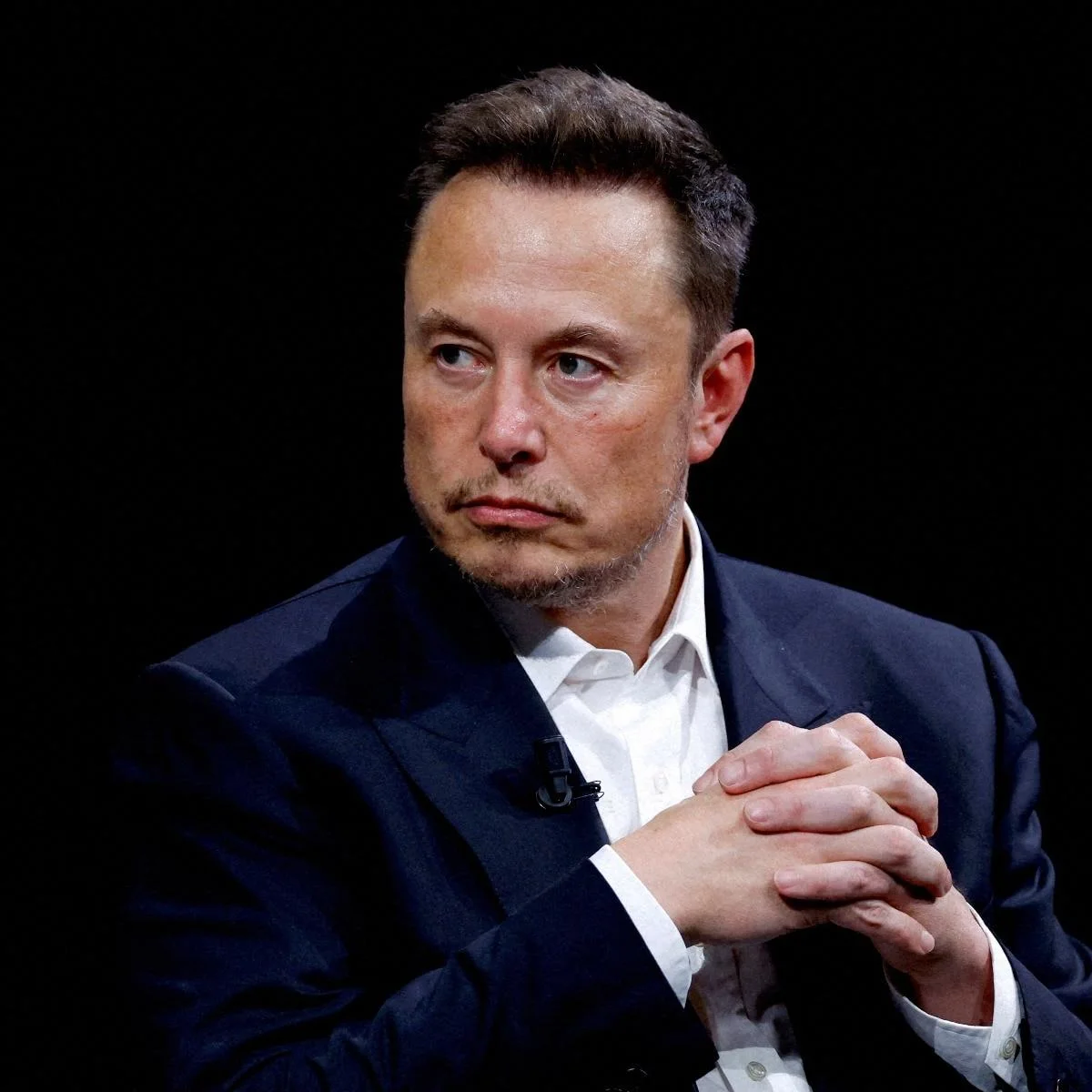
Elon Musk Starlink India
Elon Musk criticises India’s telecom market over Starlink’s delayed launch as Communications Minister Jyotiraditya Scindia says India will not permit monopolies.
The dispute over Elon Musk’s Starlink satellite internet service in India has intensified, with the billionaire entrepreneur criticising the country’s telecom market and questioning delays in the company’s commercial launch. The Union government has rejected allegations of preferential treatment, maintaining that India’s regulatory framework for satellite communications is fair and non-discriminatory.
The controversy has brought renewed attention to competition in India’s telecommunications sector, particularly the relationship between Starlink, Reliance Jio’s satellite communications venture and Bharti-backed Eutelsat OneWeb.
Grow Your Business with Janatha Mirror
Reach 50,000+ daily readers across Andhra & Telangana
Elon Musk Questions Delays in Starlink’s India Launch
Musk, the head of SpaceX, has alleged on social media that powerful business interests are obstructing Starlink’s entry into India to protect existing market positions. He has also criticised Reliance Industries chairman Mukesh Ambani and questioned whether domestic competition is influencing the regulatory process.
Musk has argued that Starlink could expand internet access, particularly in remote and underserved areas, while giving consumers another connectivity option. He has also said that the service would need competitive pricing to attract Indian customers.
However, Musk has not publicly provided evidence establishing that Reliance or Ambani improperly influenced the government’s approval process.
Grow Your Business with Janatha Mirror
Reach 50,000+ daily readers across Andhra & Telangana
Government Says India Will Not Permit Monopolies
Union Communications Minister Jyotiraditya Scindia responded to the allegations on October 9, stating that India does not permit monopolies in any sector.
The minister said the Department of Telecommunications follows a technology-neutral approach and allows consumers to choose among available services. He also pointed out that three satellite communications operators—Starlink, Reliance Jio’s satellite venture and Eutelsat OneWeb—have received licences.
The government has maintained that the regulatory process applies to operators without discrimination. It has rejected suggestions that the framework is being selectively used to prevent Starlink from entering the market.
Grow Your Business with Janatha Mirror
Reach 50,000+ daily readers across Andhra & Telangana
Why Starlink Has Yet to Begin Commercial Services
Although Starlink has obtained an Indian satellite communications licence, it must complete the remaining regulatory requirements before launching commercial services.
These include the necessary security clearances and spectrum-related approvals. The government has said the licensed operators must individually satisfy the applicable conditions before commencing operations.
The finalisation of the satellite spectrum pricing framework is another important step in determining how satellite internet providers will operate in India.
The government’s position is that these requirements are part of the regulatory process rather than evidence of an attempt to favour a particular company.
Starlink, Jio and OneWeb: Competition in Satellite Internet
India’s satellite broadband market could expand as operators seek to provide internet connectivity beyond the reach of conventional terrestrial networks.
Starlink aims to use its satellite constellation to provide broadband services, including in remote locations. Reliance Jio and Bharti-backed OneWeb are also pursuing satellite communications opportunities.
The entry of additional providers could give consumers more options, although actual service availability, pricing and coverage will depend on regulatory approvals and commercial rollout.
What Happens Next?
The dispute is likely to remain in focus as the government advances the approval process for satellite communications services.
For consumers, the key questions are when Starlink will be able to launch commercially, how its prices will compare with existing internet services and whether satellite broadband can improve connectivity in underserved areas.
For now, the government maintains that all licensed operators must meet the required conditions, while Musk continues to call for greater competition in India’s telecom market.
💬 Reader Opinions & Discussion0
Login Required to Share Your Opinion
Only verified and logged-in readers can post opinions on Janatha Mirror news stories.