
Hair Falling Out More Than Usual? 7 Possible Causes and When to See a Doctor
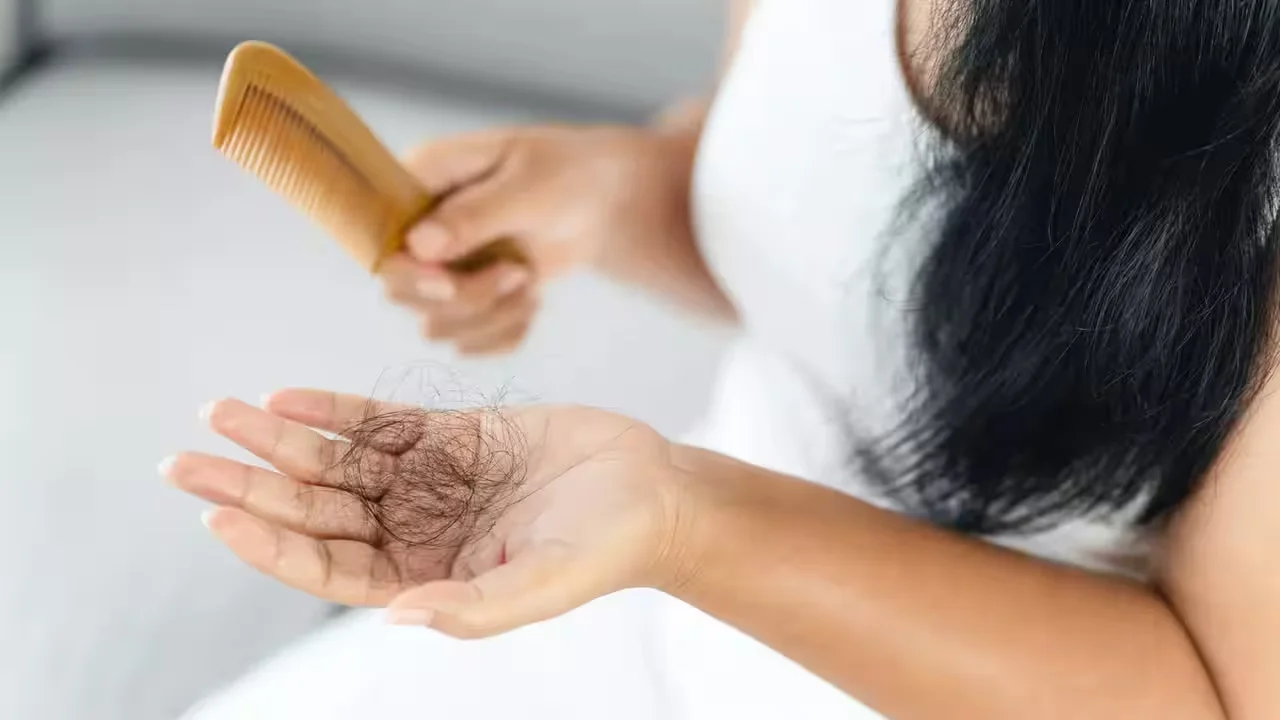
Noticing more hair fall than usual? Learn 7 possible causes of hair loss, warning signs to watch for, and when to seek medical advice.
Have you noticed more hair than usual on your pillow, in your shower drain, or on your hairbrush? Hair shedding can be worrying, especially when your hair starts looking thinner. But before you panic or spend money on expensive hair products, it helps to understand what might be causing the change.
Losing some hair every day is normal. The concern is when shedding becomes noticeably heavier, hair starts thinning, bald patches appear, or your scalp develops other symptoms.
Grow Your Business with Janatha Mirror
Reach 50,000+ daily readers across Andhra & Telangana
Hair loss can be related to genetics, stress, hormonal changes, nutritional deficiencies, illness, or scalp conditions. The right approach depends on identifying the cause.
How Much Hair Loss Is Normal?
Hair naturally grows, rests, and sheds as part of its growth cycle. Many people lose around 50–100 hairs a day, although the amount can vary.
Seeing a few hairs on your brush or pillow does not necessarily mean you are developing baldness. Pay attention to changes in your usual pattern, such as a widening hair part, a receding hairline, noticeably reduced hair volume, or sudden heavy shedding.
Grow Your Business with Janatha Mirror
Reach 50,000+ daily readers across Andhra & Telangana
1. Family History May Play a Role
One of the most common causes of gradual hair thinning is hereditary hair loss. It can affect both men and women.
In men, it may appear as a receding hairline or thinning at the crown. In women, it may appear as general thinning or a widening part.
Hereditary hair loss often develops gradually. If you notice these changes, a dermatologist can assess the pattern and discuss suitable treatment options. Early assessment may help slow further loss in some cases.
Grow Your Business with Janatha Mirror
Reach 50,000+ daily readers across Andhra & Telangana
2. Stress or a Recent Illness
Have you experienced a major stressful event, a high fever, an operation, or a significant illness in recent months?
Physical or emotional stress can sometimes trigger increased hair shedding. This type of shedding, known as telogen effluvium, may become noticeable weeks or months after the triggering event.
Hair shedding related to a temporary trigger may improve as the body recovers, but regrowth takes time. If shedding is severe, prolonged, or unexplained, seek medical advice instead of assuming stress is the only cause.
3. Nutritional Deficiencies or Restrictive Diets
Hair growth depends on adequate nutrition. Not getting enough protein or certain nutrients, including iron, may contribute to hair loss in some people.
Crash diets, rapid weight loss, or a very restricted diet can make nutritional shortfalls more likely.
Try to eat a balanced diet that includes suitable protein sources, vegetables, fruit, and other nutrient-rich foods. Supplements are not automatically necessary, and taking excessive amounts of certain vitamins or minerals can be harmful or even worsen hair loss.
If a deficiency is suspected, a healthcare professional can decide whether testing or supplementation is appropriate.
4. Hormonal Changes and Thyroid Problems
Hormonal changes can affect hair growth. Some people experience increased shedding after childbirth or around menopause. Certain hormonal conditions, including polycystic ovary syndrome (PCOS), can also contribute to hair thinning.
Thyroid disorders may cause hair to become thinner or shed more than usual. Other possible symptoms of thyroid disease include changes in energy levels, sensitivity to temperature, and unexplained weight changes.
Hair loss alone cannot confirm a hormonal or thyroid problem. If you have other symptoms, discuss them with a healthcare professional who can determine whether tests are needed.
5. Hairstyles and Hair Treatments That Pull or Damage Hair
Tight ponytails, braids, buns, or other hairstyles that repeatedly pull on the roots can cause traction alopecia. If the pulling continues for a long time, the damage may become permanent.
Frequent bleaching, chemical straightening, excessive heat styling, and rough brushing can also weaken hair shafts and cause breakage.
Consider wearing looser hairstyles, reducing heat and chemical treatments, and handling wet hair gently. If your hairline is receding where your hairstyle pulls most tightly, arrange a medical assessment.
6. Scalp Conditions and Patchy Hair Loss
Hair loss is not always gradual. Some people develop round or irregular bald patches. Others experience itching, redness, scaling, tenderness, or broken hairs.
Read also:
Possible causes include alopecia areata, scalp infections, and inflammatory skin conditions. These conditions require different treatments, so a diagnosis matters.
Do not assume that every bald patch is caused by stress or a vitamin deficiency. Sudden patchy loss or hair loss accompanied by scalp inflammation should be assessed by a healthcare professional.
7. Medicines or Other Health Conditions
Some medicines can cause hair shedding as a side effect. Certain medical conditions can also affect hair growth.
If hair loss began after starting a medicine or changing its dose, tell the clinician who prescribed it. Do not stop a prescribed medicine on your own. Your healthcare professional can assess whether the medicine may be involved and discuss alternatives if appropriate.
A doctor may ask about your medical history, family history, diet, recent illnesses, medications, and hair-care routine. Depending on the findings, blood tests or other examinations may be recommended.
When Should You See a Doctor?
Consider arranging a medical appointment if:
Your hair is falling out suddenly or much more than usual.
You develop bald patches or a rapidly receding hairline.
Your scalp is painful, itchy, red, inflamed, or scaly.
Hair loss occurs with fatigue, unexplained weight changes, menstrual changes, or other new symptoms.
You are concerned about persistent thinning or hair loss that affects your wellbeing.
Seek prompt assessment for rapidly progressing hair loss or suspected scalp infection. A healthcare professional can help determine the cause and whether treatment is needed.
Can Hair Loss Be Treated?
Treatment depends on the cause. Some types of temporary shedding improve when the trigger resolves. Hair loss related to a nutritional deficiency may improve when the deficiency is appropriately corrected. Hereditary hair loss and certain scalp conditions may need specific treatment.
There is no single shampoo, oil, vitamin, or home remedy that works for every type of hair loss. Be cautious about products that promise guaranteed or extremely rapid regrowth.
A dermatologist can examine your scalp, assess the pattern of loss, and recommend an appropriate plan. Earlier assessment can be particularly important when hair loss is sudden or may cause permanent damage.
Final Thoughts
Finding more hair on your pillow or comb can be unsettling, but it does not automatically mean you are going bald. Daily shedding is normal, and several causes of increased hair loss are manageable once identified.
Pay attention to changes in your hair and scalp, maintain balanced nutrition, avoid hairstyles that pull tightly on the roots, and seek medical advice if hair loss is sudden, persistent, patchy, or accompanied by other symptoms.
The most useful first step is not buying another hair product—it is finding out why your hair is falling out.
Medical disclaimer: This article is for general information only and is not a substitute for diagnosis or treatment by a qualified healthcare professional.
Read also:
💬 Reader Opinions & Discussion0
Login Required to Share Your Opinion
Only verified and logged-in readers can post opinions on Janatha Mirror news stories.