
Hearing Loss: Turning Up the TV but Still Struggling to Understand Words? Your Body May Be Sending This Warning Sign!
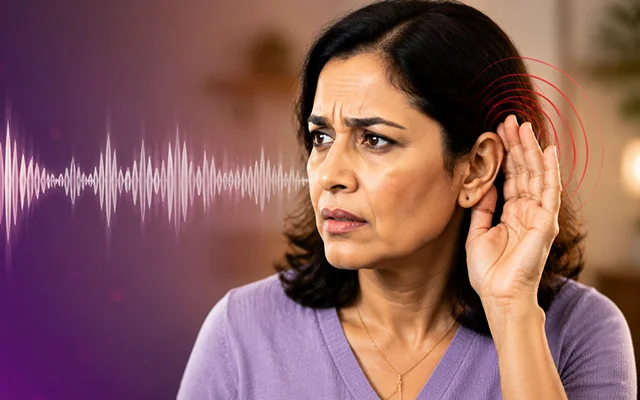
Turning up the TV but struggling to understand speech? Learn the common signs of hearing loss, possible causes, prevention tips and when to seek medical help.
Do you frequently turn up the television volume? Can you hear someone speaking but struggle to understand what they are saying? Do conversations become difficult to follow, especially in crowded or noisy places? These signs should not be ignored, as they may indicate a hearing problem.
Hearing loss does not always happen suddenly. In many people, it develops gradually, making it difficult to notice in the early stages. People may initially struggle to hear soft sounds, understand conversations clearly or follow discussions when several people are speaking at once. Recognising the problem early can help identify treatable causes and determine whether hearing aids or other treatments may be beneficial.
Grow Your Business with Janatha Mirror
Reach 50,000+ daily readers across Andhra & Telangana
6 Warning Signs of Hearing Loss
1. Frequently Increasing the TV or Phone Volume
If you regularly turn up the television or mobile phone volume because the sound seems too low, it may be worth arranging a hearing assessment, particularly if other people find the volume uncomfortably loud.
2. Hearing Voices but Struggling to Understand Words
Grow Your Business with Janatha Mirror
Reach 50,000+ daily readers across Andhra & Telangana
One common sign of hearing difficulty is being able to hear someone speaking but not clearly understanding the words. This may be especially noticeable in restaurants, meetings and other noisy environments.
3. Frequently Asking People to Repeat Themselves
Repeatedly asking people to speak again, misunderstanding conversations or finding certain voices difficult to follow can be signs of hearing loss.
Grow Your Business with Janatha Mirror
Reach 50,000+ daily readers across Andhra & Telangana
4. Ringing or Buzzing in the Ears
Hearing ringing, buzzing, whistling or similar sounds when there is no external source is known as tinnitus. It can occur alongside hearing loss, although it may also have other causes.
5. Difficulty Understanding Phone Conversations
Struggling to understand people on phone calls, relying on one ear or finding conversations unusually tiring may indicate a hearing problem.
6. Avoiding Social Conversations
When following conversations becomes difficult, some people begin avoiding family gatherings, meetings or social events. Untreated hearing difficulties can affect communication, relationships and quality of life.
What Causes Hearing Loss?
Hearing loss can have several causes, including ageing, prolonged exposure to loud noise, earwax buildup, ear infections, damage to the eardrum or inner ear, and certain medications. Family history and some underlying health conditions may also play a role.
However, turning up the TV volume alone does not confirm hearing loss. Poor speaker quality, background noise and audio settings can also affect how clearly sound is heard. If the problem happens frequently, a professional assessment is advisable.
How Is Hearing Loss Diagnosed?
If you suspect a hearing problem, consult an ear, nose and throat (ENT) specialist. Depending on your symptoms, the doctor may examine your ears and recommend a hearing test, such as audiometry, performed by a qualified hearing professional.
Some causes, such as impacted earwax, may be treatable. For persistent hearing loss, options may include hearing aids or other treatments depending on the cause and severity.
Tips to Protect Your Hearing
Avoid listening to music or videos at excessively high volumes through headphones or earphones.
Use appropriate hearing protection in noisy workplaces or environments.
Never insert cotton buds, pins or other objects into the ear canal to remove earwax.
Avoid using ear drops or medication without appropriate medical advice.
Manage long-term health conditions, such as diabetes and high blood pressure, with professional guidance.
Seek a hearing assessment if communication difficulties persist.
When Should You Seek Urgent Medical Help?
Sudden hearing loss in one or both ears requires urgent medical assessment. Do not assume it will resolve on its own or wait several days to see whether it improves. Prompt evaluation is important because some causes require time-sensitive treatment.
Seek urgent medical advice if sudden hearing changes occur with new ringing in the ears, dizziness or other unusual symptoms.
Hearing difficulties are not limited to older adults; they can affect people of any age. If you regularly increase the TV volume, struggle to understand speech or frequently ask others to repeat themselves, do not ignore these signs. A timely hearing assessment can help identify the cause and guide the right treatment to protect your hearing health.
Read also:
💬 Reader Opinions & Discussion0
Login Required to Share Your Opinion
Only verified and logged-in readers can post opinions on Janatha Mirror news stories.