
Does Eating Fish Prevent Heart Attacks? How Many Times a Week Should You Eat It?
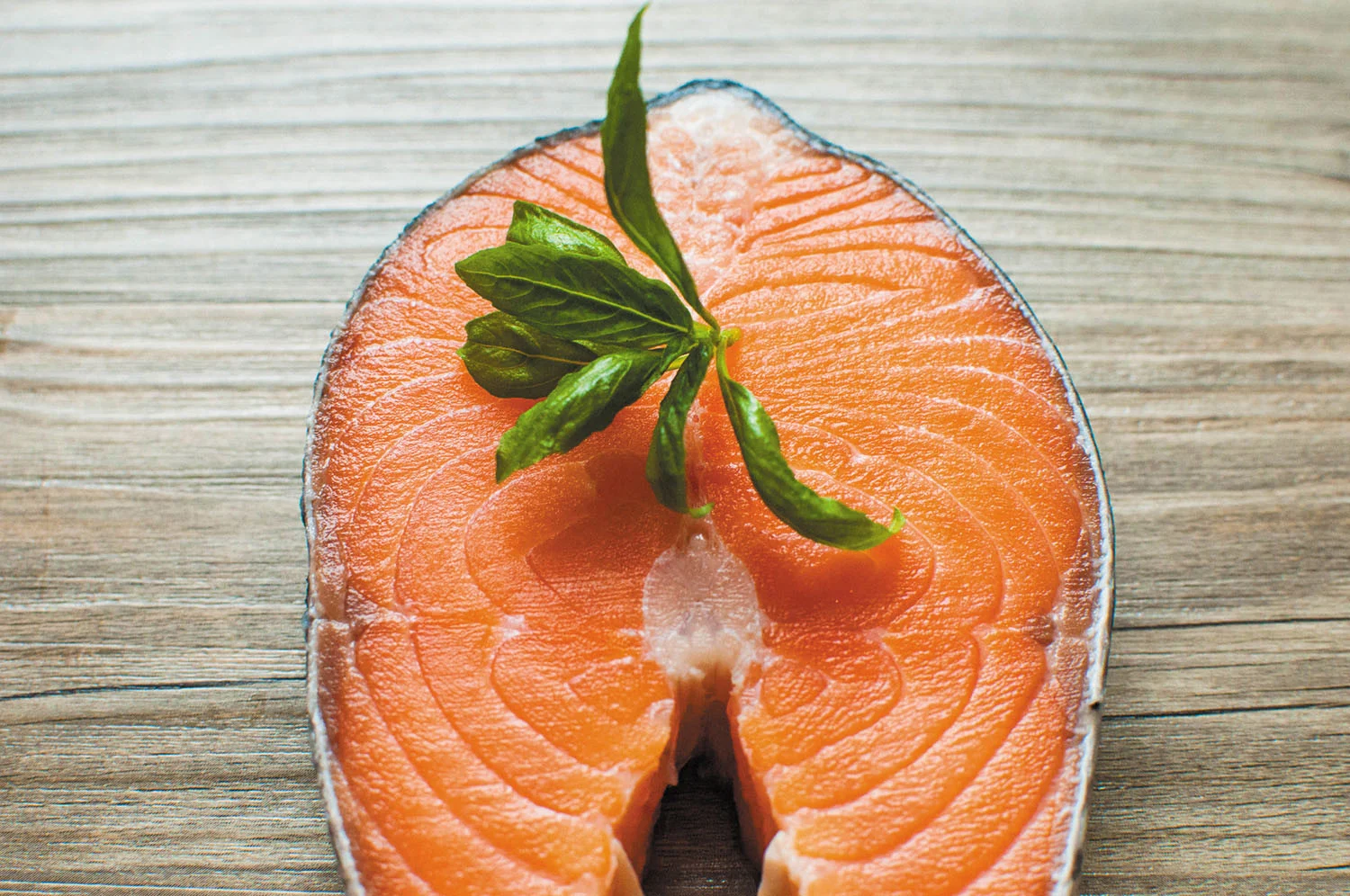
Does fish prevent heart attacks? Learn how often to eat fish, which varieties support heart health, healthy cooking methods and important safety tips.
Fish is often described as a heart-healthy food, but can eating it really prevent a heart attack? And how many times a week should you include it in your diet?
The answer is encouraging: eating fish regularly may support heart health, but it cannot guarantee protection against a heart attack. The type of fish you eat, how you cook it and your overall lifestyle all matter.
Grow Your Business with Janatha Mirror
Reach 50,000+ daily readers across Andhra & Telangana
The American Heart Association (AHA) recommends eating two servings of fish per week, particularly fatty fish that contain omega-3 fatty acids. [1]
Why Is Fish Good for Your Heart?
Fish provides high-quality protein and several essential nutrients. Fatty fish, in particular, contain omega-3 fatty acids, including EPA and DHA, which are associated with cardiovascular benefits.
Including fish in a balanced diet may help support heart health in several ways:
Grow Your Business with Janatha Mirror
Reach 50,000+ daily readers across Andhra & Telangana
Provides omega-3 fatty acids: Fatty fish contain omega-3s that play a role in normal heart and blood vessel function.
Offers lean protein: Fish can be a nutritious alternative to fatty or processed meats.
Supports a balanced diet: Fish eaten alongside vegetables, whole grains, fruits and legumes can contribute to an overall heart-friendly eating pattern.
Grow Your Business with Janatha Mirror
Reach 50,000+ daily readers across Andhra & Telangana
May help reduce cardiovascular risk: Regular fish consumption is associated with better cardiovascular outcomes, although the benefits depend on the wider diet and lifestyle.
However, eating fish alone does not prevent blocked arteries or eliminate the risk of a heart attack. Blood pressure, cholesterol, diabetes, smoking, physical inactivity and family history also influence heart health.
How Many Times a Week Should You Eat Fish?
For most adults, a practical goal is two fish meals per week.
The American Heart Association recommends two servings weekly, particularly of fatty fish. One serving is approximately 3 ounces (85 grams) of cooked fish. [1]
You can spread these meals across the week. For example:
Tuesday: Grilled or steamed fish with vegetables.
Friday: Lightly cooked fish with rice and a vegetable side dish.
Choose portions that suit your nutritional needs and follow your healthcare professional's advice if you have a medical condition requiring a specific diet.
Which Fish Are Good Choices?
Fatty fish are particularly useful sources of omega-3 fatty acids. Options commonly eaten around the world include:
Sardines
Salmon
Herring
Mackerel
Other locally available oily fish
The nutrient content varies by species. If you eat fish regularly, choose a variety rather than relying on just one type.
For people in India, locally available fish can be part of a healthy diet. However, mercury levels and other contaminants vary by species and source, so follow relevant food-safety advice, especially during pregnancy and childhood.
Does the Way You Cook Fish Matter?
Yes. The cooking method can affect how healthy a fish-based meal is.
Read also:
Better options include:
Grilling
Steaming
Baking
Lightly pan-cooking with a moderate amount of oil
Preparing fish curry without excessive oil or salt
Try to limit deep-fried fish and preparations containing excessive salt, butter or oil. Frequent consumption of heavily fried foods may work against your heart-health goals.
Fish curry can still fit into a balanced diet. Pay attention to the amount of oil and salt used, and pair the meal with vegetables or other nutritious foods.
Can Eating Fish Guarantee That You Will Never Have a Heart Attack?
No. This is an important distinction.
Fish is one component of a heart-healthy diet, not a shield against heart disease. A person who eats fish regularly can still experience a heart attack, particularly if other risk factors are uncontrolled.
To protect your heart, combine healthy eating with these habits:
Check your blood pressure, cholesterol and blood sugar regularly.
Stay physically active.
Avoid smoking and tobacco.
Maintain a healthy weight.
Limit excess salt and highly processed foods.
Take prescribed medicines as directed by your doctor.
Do not stop heart, cholesterol or blood-pressure medication because you have started eating fish or other foods believed to be healthy.
Who Should Be Careful About Eating Fish?
Fish can be nutritious, but the type and amount matter for some people.
Pregnant women, women who may become pregnant, breastfeeding mothers and young children should pay particular attention to mercury exposure. Some larger predatory fish can contain higher mercury levels, which can harm a developing nervous system.
The US Food and Drug Administration and Environmental Protection Agency recommend choosing a variety of fish that are lower in mercury for these groups. [2] Follow local food-safety guidance and ask a healthcare professional if you are unsure which fish are suitable.
People with fish allergies should avoid the fish that trigger their reactions. Anyone advised to follow a specific diet because of a medical condition should discuss appropriate portions with their healthcare professional.
What Are the Warning Signs of a Heart Attack?
Do not wait for dietary changes to improve your heart health if you develop possible heart-attack symptoms.
Warning signs can include:
Chest pressure, tightness, pain or discomfort
Pain or discomfort in one or both arms, the back, neck, jaw or stomach
Shortness of breath
Cold sweat, nausea or light-headedness
Symptoms can vary, and some people may not experience severe chest pain. If you suspect a heart attack, seek emergency medical help immediately.
Eating fish about twice a week can be a sensible part of a heart-healthy diet, especially when you choose omega-3-rich fish and prepare it without excessive oil or salt.
But fish does not guarantee that you will avoid a heart attack. The strongest approach combines balanced eating, regular exercise, avoiding tobacco, managing health conditions and following medical advice.
Read also:
💬 Reader Opinions & Discussion0
Login Required to Share Your Opinion
Only verified and logged-in readers can post opinions on Janatha Mirror news stories.