
Ragi vs Jowar: Which Flour Is Better for Your Health and Nutrition?
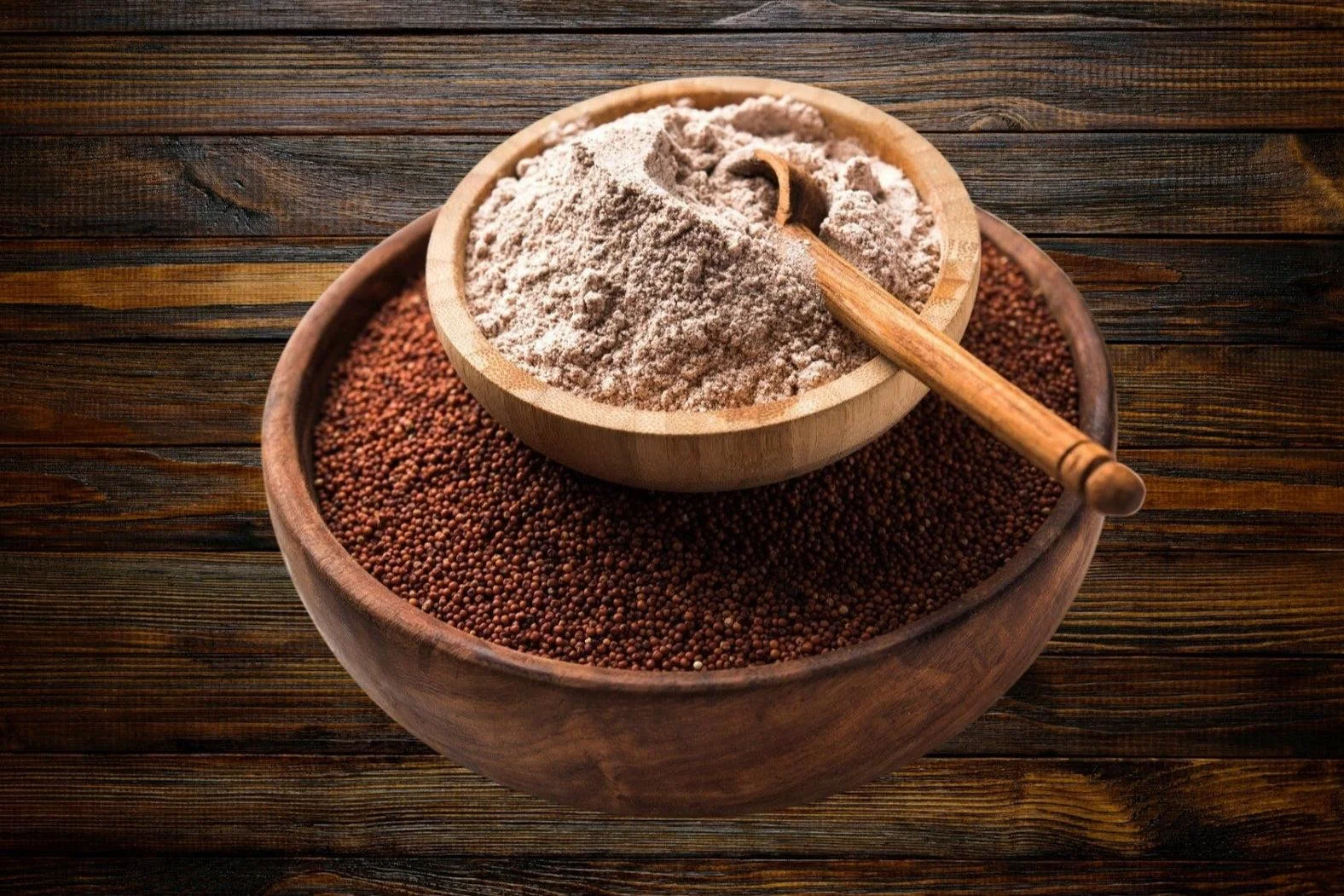
Ragi or jowar flour—which is healthier? Compare calcium, protein and other nutrients, plus tips for weight loss, diabetes and everyday meals.
Ragi and jowar are traditional Indian grains that are gaining attention as alternatives to commonly used flours. Both provide important nutrients and can be included in a balanced diet. But which one is better for your health? The answer depends on your nutritional needs, as ragi stands out for its calcium content, while jowar generally provides more protein.
Grow Your Business with Janatha Mirror
Reach 50,000+ daily readers across Andhra & Telangana
Ragi Flour: A Calcium-Rich Choice
Ragi, also known as finger millet, is particularly valued for its calcium content. Indian millet nutrition tables report approximately 344 mg of calcium per 100 grams of ragi grain. Calcium supports healthy bones and teeth, making ragi a useful addition to a varied diet. It also provides carbohydrates, some protein and other minerals. However, eating ragi alone cannot prevent bone disorders; overall nutrition, physical activity and other health factors also matter.
Grow Your Business with Janatha Mirror
Reach 50,000+ daily readers across Andhra & Telangana
Jowar Flour: A Source of Protein and Energy
Jowar, known internationally as sorghum, provides carbohydrates for energy along with protein, dietary fibre and minerals. Indian millet nutrition tables report approximately 10 grams of protein per 100 grams of jowar grain. Jowar flour can be used to prepare rotis and other everyday dishes. Although it contributes protein to the diet, it should be combined with other protein-rich foods when necessary to meet individual nutritional requirements.
Grow Your Business with Janatha Mirror
Reach 50,000+ daily readers across Andhra & Telangana
Ragi vs Jowar: Comparing Their Nutritional Benefits
The biggest difference between these grains is their calcium and protein content. Ragi is the stronger choice when calcium intake is the main priority, while jowar generally provides more protein. Both contain carbohydrates and offer other nutrients, but their exact nutritional values can vary depending on the grain variety, processing method and flour preparation. Neither grain is automatically the best choice for everyone. The better option depends on your overall diet and specific nutritional needs.
Read also:Winter Weight Loss: Always Hungry in Cold Weather? These 6 Foods May Help You Stay Full for Longer!
Which Flour Is Better for Weight Loss and Diabetes?
Neither ragi nor jowar guarantees weight loss or prevents blood sugar spikes. Portion size, preparation methods and the foods eaten alongside them all influence the nutritional effect of a meal. People aiming to lose weight should focus on their overall calorie intake, adequate protein and a balanced diet. People with diabetes may include either grain in their meals, but should pay attention to portions and monitor their blood glucose response. Individual advice from a healthcare professional or registered dietitian can help determine suitable meal portions.
How Can You Include Ragi and Jowar in Your Daily Diet?
Ragi can be used to prepare porridge, dosa, roti and other traditional dishes. Jowar flour is commonly used for rotis and can also be included in other recipes. Rather than depending on one grain every day, consider rotating ragi, jowar and other whole grains alongside vegetables, pulses and suitable protein sources. Choose good-quality flour, store it properly and limit excessive added sugar, salt or oil in the final preparation.
Both ragi and jowar are nutritious traditional grains, but they offer different advantages. Ragi is particularly useful for increasing calcium intake, while jowar generally offers more protein. Instead of choosing one as universally superior, include either or both in a balanced, varied diet that suits your health needs.
💬 Reader Opinions & Discussion0
Login Required to Share Your Opinion
Only verified and logged-in readers can post opinions on Janatha Mirror news stories.