
Working Hard at the Gym but Seeing No Results? Avoid These Common Mistakes!
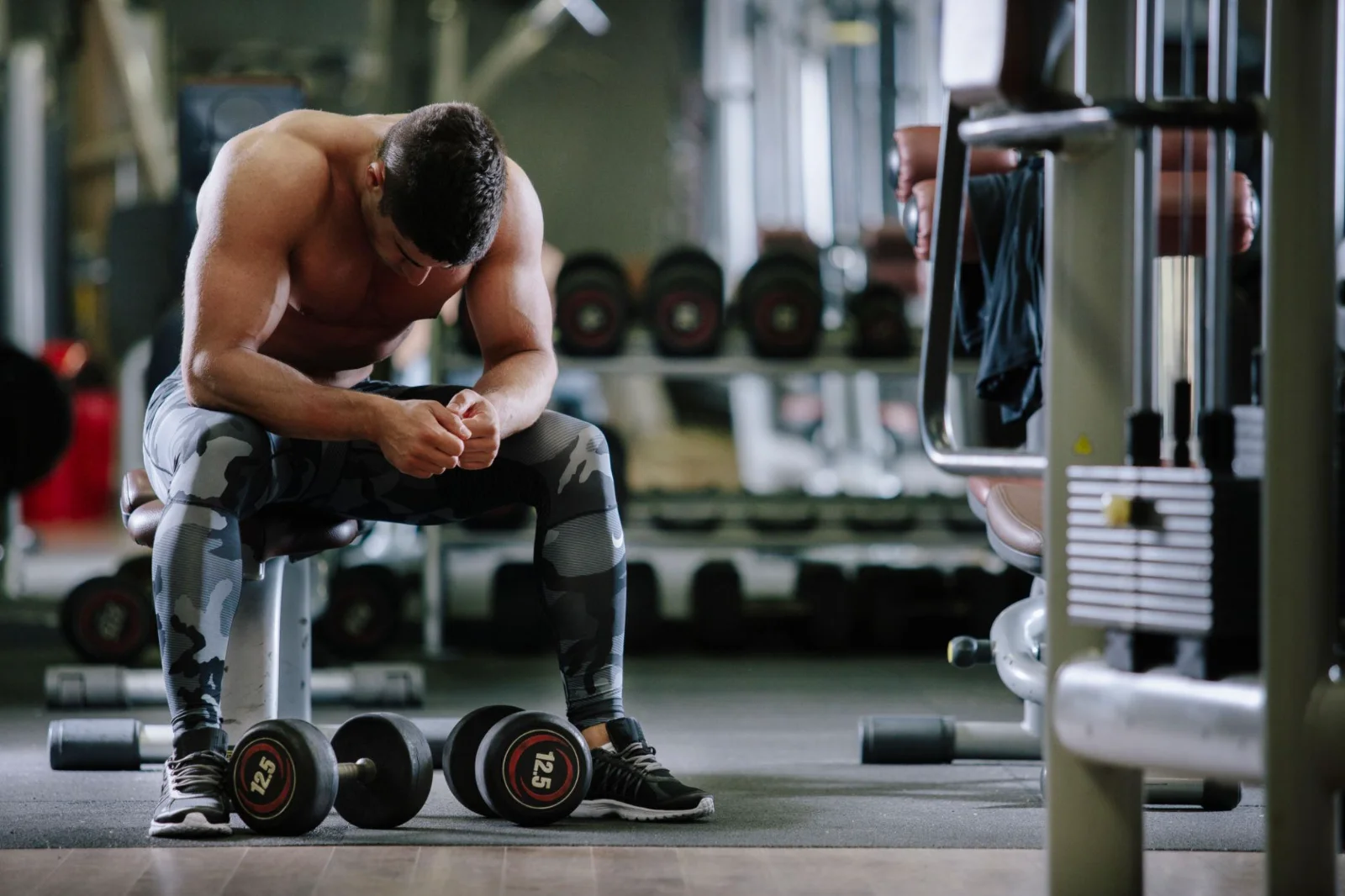
Not seeing results from your gym workouts? Learn how training mistakes, poor nutrition and inadequate recovery can affect progress, and what to do instead.
Many people spend hours at the gym hoping to lose weight, build muscle or improve their fitness. Yet, despite regular workouts, some struggle to see noticeable progress.
If your efforts do not seem to be paying off, the answer may not be to exercise harder or spend more time in the gym. Your training plan, diet, recovery and consistency may all need attention.
Grow Your Business with Janatha Mirror
Reach 50,000+ daily readers across Andhra & Telangana
The key is not simply how hard you work out, but how effectively you train and recover.
Why Are You Not Seeing Results at the Gym?
Grow Your Business with Janatha Mirror
Reach 50,000+ daily readers across Andhra & Telangana
1. Repeating the Same Workout Without Progression
Following the same routine with the same weights and repetitions for months may eventually become insufficient for continued progress.
For people aiming to improve strength or build muscle, gradually adjusting training demands can help. This principle is known as progressive overload. It may involve increasing the weight, repetitions or sets as your ability improves.
However, increasing the load too quickly can raise the risk of injury. Progress should be gradual, and correct exercise technique should always come first.
Grow Your Business with Janatha Mirror
Reach 50,000+ daily readers across Andhra & Telangana
2. Lifting Weights That Are Too Heavy
Trying to lift heavier weights simply to match other gym-goers can be counterproductive. Excessive loads combined with poor technique may strain muscles and joints.
Choose weights that match your current fitness level and allow you to maintain proper form. Ask a qualified trainer for guidance if you are unsure about an exercise or how much weight to use.
3. Ignoring Nutrition
Exercise is only one part of a fitness plan. Your body also needs sufficient energy, protein and other essential nutrients to support recovery and training adaptations.
A balanced diet can include foods such as eggs, milk, yoghurt, lentils, beans, fish and other suitable protein sources. Your overall calorie intake should also reflect your goal, whether it is weight loss, muscle gain or maintaining fitness.
Protein supplements are not essential for everyone. If you are considering supplements, assess your dietary needs first and seek professional advice where appropriate.
4. Not Getting Enough Rest
Muscles and other tissues need time to recover after demanding workouts. Training the same muscle groups intensely every day without adequate recovery may contribute to fatigue, declining performance and a higher risk of injury.
Prioritise sleep, recovery days and a training schedule that suits your experience and fitness level.
Persistent tiredness, sleep disturbances or a noticeable drop in performance may indicate that your routine needs adjustment. If these symptoms continue, consider speaking to a healthcare professional.
5. Expecting Instant Results
Visible changes rarely happen overnight. Progress depends on several factors, including your starting fitness level, age, training history, nutrition, sleep and health.
Do not judge your progress only by the number on the weighing scale. Improvements in strength, stamina, exercise technique and how your clothes fit can also provide useful feedback.
Set realistic goals and review your progress over several weeks rather than expecting dramatic changes after a few workouts.
How Can You Get Better Results From Your Workouts?
Here are practical steps that can help you make your training more effective:
Set a clear goal: Decide whether you want to build muscle, lose weight, improve strength or increase endurance.
Follow a structured plan: Choose exercises that suit your goals, ability and schedule.
Use proper technique: Perform exercises correctly before attempting heavier weights.
Progress gradually: Increase training demands as your strength and ability improve.
Eat a balanced diet: Include adequate protein, carbohydrates, healthy fats, fruits and vegetables.
Allow time for recovery: Get enough sleep and avoid repeatedly overworking the same muscle groups.
Track your progress: Record weights, repetitions, stamina and other relevant changes.
The American College of Sports Medicine's 2026 resistance-training guidance highlights the importance of consistency, appropriate effort and tailoring workouts to individual goals. For healthy adults, strengthening all major muscle groups at least twice a week is a useful general target, although the best schedule depends on individual circumstances.
More complicated routines and advanced training techniques are not necessarily better for everyone.
When Should You Be Concerned?
Stop exercising and seek urgent medical help if you experience chest pain, severe or unusual breathlessness, fainting or other concerning symptoms during a workout. Do not try to push through these warning signs.
If you have a chronic health condition, a history of injury or are returning to exercise after a long break, a healthcare professional or qualified exercise specialist can help you choose an appropriate routine.
If you are working hard at the gym without seeing the results you want, do not immediately assume that you need longer or more intense workouts.
Review your training plan, technique, nutrition and recovery. Make gradual adjustments, stay consistent and give your body time to adapt.
Smart training—not simply harder training—is the foundation of sustainable fitness progress.
💬 Reader Opinions & Discussion0
Login Required to Share Your Opinion
Only verified and logged-in readers can post opinions on Janatha Mirror news stories.