
Why Does India Have So Many People With Diabetes? 7 Important Reasons
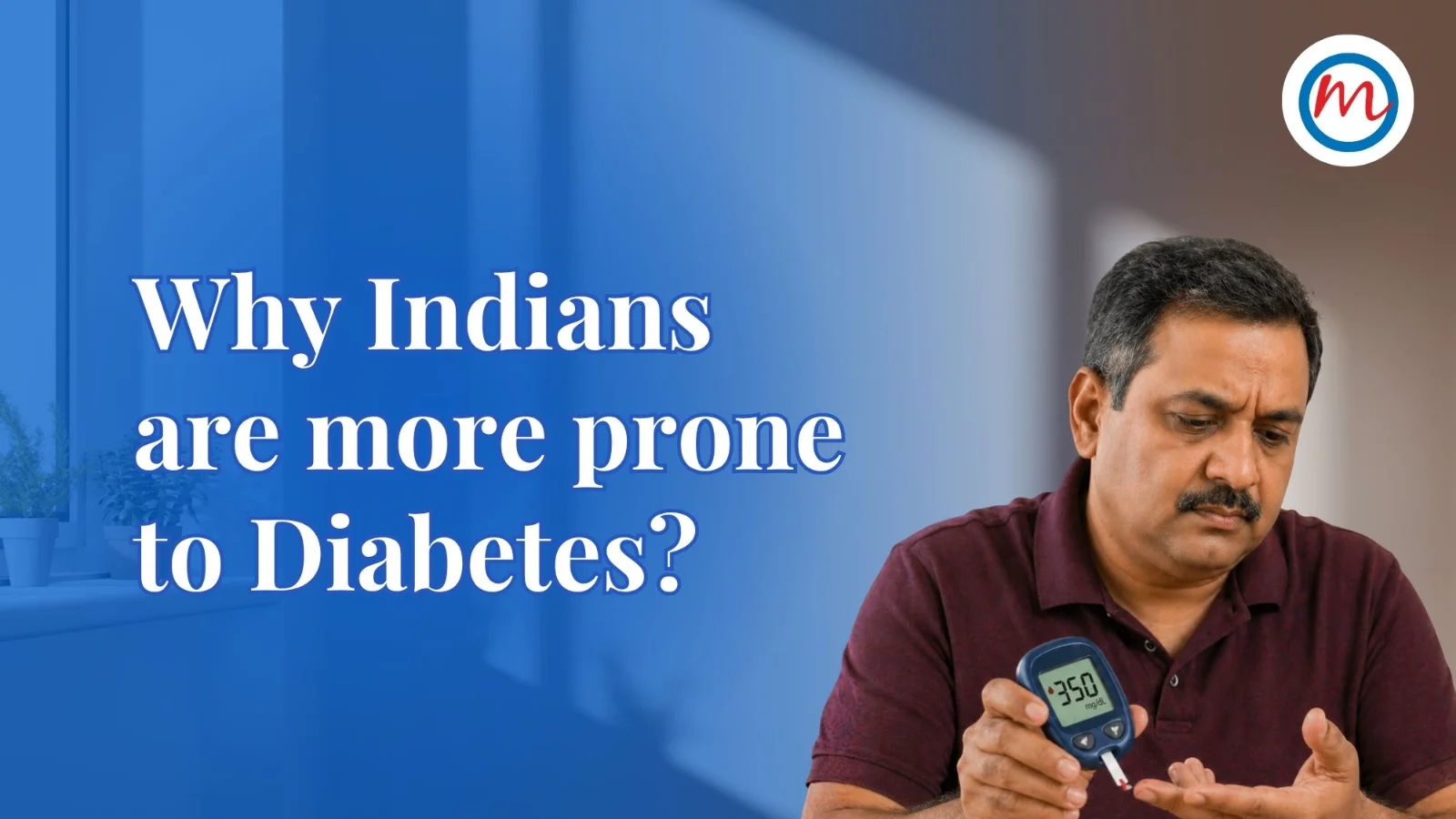
Why is diabetes so common in India? Explore 7 possible reasons, from genetics and diet to inactivity, lifestyle changes, and delayed diagnosis.
omatically cause diabetes. Portion size, the overall diet, physical activity, body composition, and individual health risks all influence the picture. A balanced diet with vegetables, pulses, whole grains, and appropriate portions can help support better metabolic health.
3. Less physical activity
Many people now spend long hours sitting at desks, travelling by vehicle, or using screens. When daily movement decreases, the body may become less effective at using insulin, especially when combined with other risk factors.
Grow Your Business with Janatha Mirror
Reach 50,000+ daily readers across Andhra & Telangana
Regular walking, cycling, dancing, household activity, and strength exercises can help improve insulin sensitivity.
4. Abdominal fat and insulin resistance
Excess body fat—particularly around the abdomen—is associated with a higher risk of type 2 diabetes. Insulin helps move glucose from the blood into the body’s cells. When cells respond less effectively to insulin, blood glucose can rise.
Importantly, diabetes can also occur in people who are not visibly overweight. Body weight alone cannot determine whether someone is at risk.
Grow Your Business with Janatha Mirror
Reach 50,000+ daily readers across Andhra & Telangana
5. Urbanisation and changing lifestyles
As towns and cities grow, traditional patterns of movement and eating can change. Sedentary jobs, greater access to energy-dense processed foods, stress, and inadequate sleep may contribute to diabetes risk.
But diabetes is not only an urban problem. Rural communities are also affected, and the reasons vary across regions and households.
6. Poor sleep and chronic stress
Insufficient sleep and long-term stress can affect appetite, hormones, activity levels, and blood-glucose regulation. They may add to a person’s overall risk, although they are not the sole cause of diabetes.
Grow Your Business with Janatha Mirror
Reach 50,000+ daily readers across Andhra & Telangana
Maintaining a regular sleep schedule, being physically active, and seeking support for persistent stress can be helpful parts of a healthy routine.
7. Delayed testing and lack of awareness
Type 2 diabetes can develop gradually without obvious symptoms. Some people do not get tested until high blood glucose is discovered during a routine check-up or after complications develop.
Read also:
Earlier testing can help people identify high blood glucose and seek appropriate care sooner. A clinician can advise on screening based on age, family history, symptoms, pregnancy history, and other risk factors.
What symptoms should you watch for?
Possible symptoms of diabetes include:
Increased thirst
Frequent urination
Unusual tiredness
Blurred vision
Unexplained weight loss
Cuts or wounds that heal slowly
Some people have no noticeable symptoms. Do not rely on symptoms alone to decide whether you need testing.
How can diabetes risk be reduced?
These habits can help reduce the risk of type 2 diabetes and support overall health:
Move regularly: Aim for at least 150 minutes of moderate physical activity per week, if appropriate for your health.
Build balanced meals: Include vegetables, pulses, whole grains, protein sources, and sensible portions.
Limit sugary drinks: Choose water or unsweetened drinks more often.
Reduce prolonged sitting: Take short movement breaks throughout the day.
Sleep consistently: Aim for a regular, adequate sleep schedule.
Know your risk: Discuss blood-glucose testing with a healthcare professional, especially if you have risk factors.
Avoid tobacco: Smoking increases cardiovascular risks and can worsen the health risks associated with diabetes.
No single food, home remedy, or supplement can guarantee prevention.
Can diabetes be reversed?
Some people with type 2 diabetes can achieve remission, particularly with sustained weight loss when appropriate and structured medical and lifestyle support. Remission is not guaranteed, and blood glucose can rise again. People should not stop prescribed medication without medical advice.
Type 1 diabetes is a different condition and is not prevented by lifestyle changes. It requires insulin treatment.
The bottom line
India’s diabetes burden cannot be explained by eating sugar alone. Genetic susceptibility, body-fat distribution, dietary patterns, physical inactivity, urbanisation, and gaps in early detection all contribute in different ways.
The most useful response is not fear or blame. It is healthier daily habits, awareness of personal risk, timely testing, and appropriate medical care.
Medical disclaimer: This article is for general education and is not a substitute for personalised medical advice. Consult a qualified healthcare professional for testing, diagnosis, and treatment.
Read also:
💬 Reader Opinions & Discussion0
Login Required to Share Your Opinion
Only verified and logged-in readers can post opinions on Janatha Mirror news stories.