
India
Why Is Belly Fat Difficult to Lose? Habits That Actually Matter
October 22, 2026
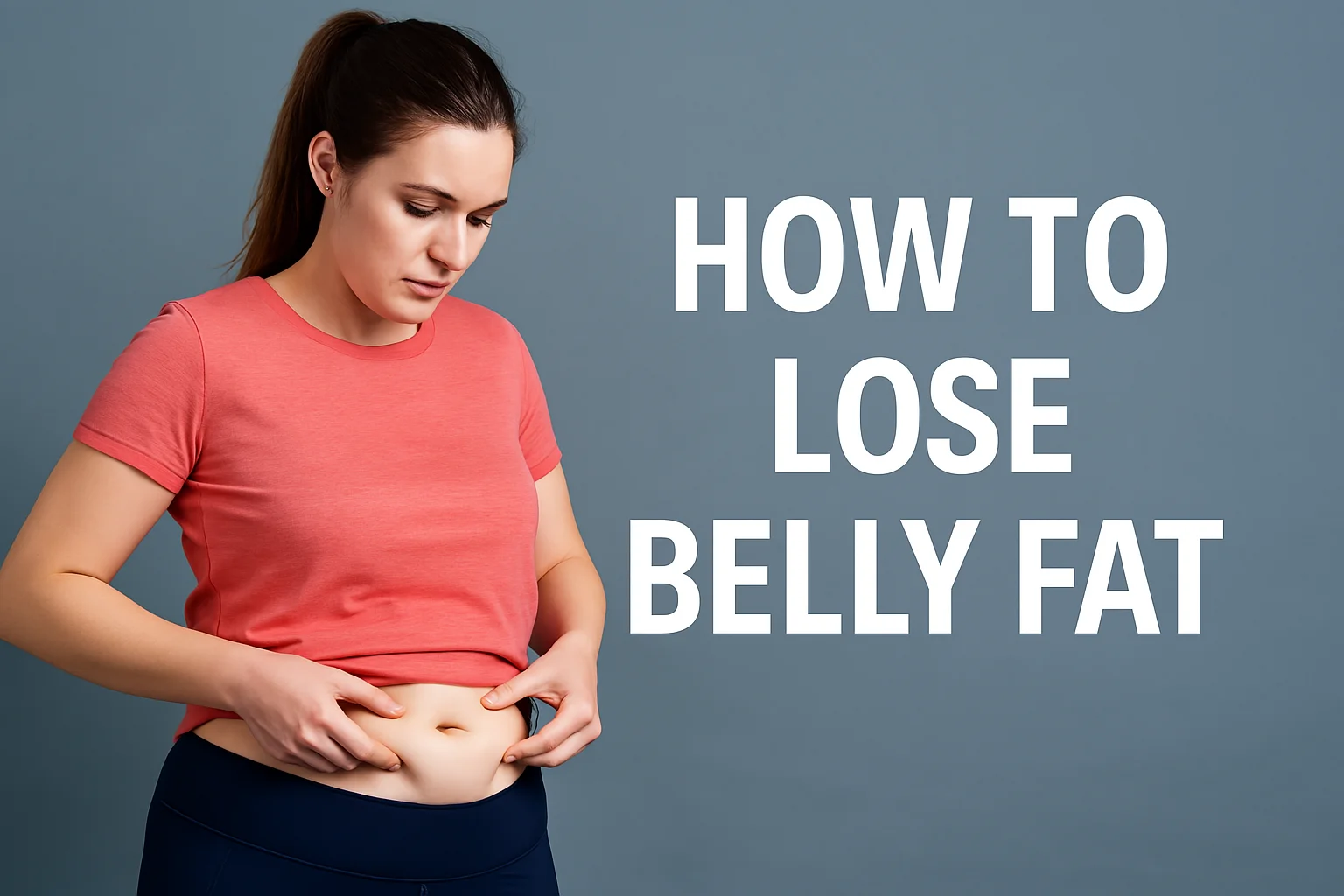
Find out why belly fat is difficult to lose and learn how diet, exercise, sleep, stress management, and daily habits support healthy weight management.
Belly fat is a common concern for many people. Even after changing their diet or exercising regularly, some find that fat around their waist seems slow to change. This can be frustrating, especially when social media promotes quick fixes and promises of a flat stomach in a few days.
PRIVATE DIRECT AD SLOT
Grow Your Business with Janatha Mirror
Reach 50,000+ daily readers across Andhra & Telangana
The truth is that you cannot choose exactly where your body loses fat. Belly fat is influenced by several factors, including genetics, hormones, age, sleep, stress, diet, and physical activity. Understanding these factors can help you focus on habits that support long-term health rather than chasing unrealistic results.
1. You Cannot Target Belly Fat Alone
PRIVATE DIRECT AD SLOT
Grow Your Business with Janatha Mirror
Reach 50,000+ daily readers across Andhra & Telangana
One of the most common myths about weight loss is that doing hundreds of crunches or sit-ups will burn fat specifically around the stomach.
PRIVATE DIRECT AD SLOT
Grow Your Business with Janatha Mirror
Reach 50,000+ daily readers across Andhra & Telangana
Abdominal exercises can strengthen the muscles in your core, improve stability, and support posture. However, they do not selectively burn the fat covering those muscles.
When your body loses fat, it draws on fat stores from different areas. The pattern varies from person to person, so waist measurements may change more slowly for some people than for others.
What helps: Combine regular aerobic activity, strength training, and balanced eating instead of relying on abdominal exercises alone.
2. Your Diet May Be Adding More Calories Than You Realise
Even when you eat home-cooked meals, certain habits can make it harder to manage your overall calorie intake. Frequent sugary drinks, large portions, fried snacks, alcohol, and foods high in added sugar can contribute extra calories.
This does not mean you must avoid every favourite food. Instead, pay attention to portion sizes and how often you consume calorie-dense foods and drinks.
What helps: Include vegetables, fruit, whole grains, pulses, and protein-rich foods in your meals. Choose water more often than sugary drinks, and make gradual changes you can maintain.
3. Too Much Sitting Can Work Against Your Goals
A regular workout is beneficial, but spending most of the remaining day sitting may limit your overall daily movement. Long periods of inactivity can make it harder to meet your physical activity needs.
You do not need to join a gym to become more active. Small movements throughout the day can add up.
What helps: Take short walking breaks, use stairs when practical, walk while making phone calls, and choose activities you enjoy. Adults are generally advised to aim for at least 150 minutes of moderate-intensity aerobic activity per week, alongside muscle-strengthening activity on two or more days, adjusting for individual ability and health needs.
Read also:
4. Poor Sleep May Affect Appetite and Weight Management
Sleep is often overlooked when people try to lose belly fat. Insufficient sleep can affect hunger and fullness signals, energy levels, mood, and food choices. It may also make regular exercise feel more difficult.
Sleep alone will not eliminate belly fat, but healthy sleep habits can support your broader weight-management efforts.
What helps: Many adults need around seven to nine hours of sleep per night. Keep a consistent bedtime, create a comfortable sleeping environment, and reduce stimulating screen use close to bedtime.
5. Chronic Stress Can Make Healthy Habits Harder
Stress is a normal part of life, but prolonged stress may disrupt sleep, influence appetite, and make it harder to maintain a regular exercise and eating routine.
The hormone cortisol is involved in the body's stress response, and hormonal factors can influence fat distribution. However, belly fat is not caused by cortisol alone, and claims that a particular trick can “switch off” belly fat are misleading.
What helps: Try manageable stress-relief practices such as walking outdoors, breathing exercises, meditation, enjoyable hobbies, or talking with someone you trust. Seek professional support if stress feels overwhelming or persistent.
6. Crash Diets and Extreme Workouts Are Difficult to Sustain
Eating very little or exercising excessively may seem like a shortcut, but these approaches can cause fatigue, nutritional deficiencies, injuries, and cycles of restriction followed by overeating.
Rapid changes on the scale can also reflect water loss rather than fat loss. A sustainable approach is usually more useful than a short-term, extreme plan.
What helps: Choose a moderate, realistic approach that includes nourishing meals, regular movement, recovery, and rest. Avoid unverified fat-burning supplements and detox products.
7. Genetics, Age, and Hormonal Changes Also Matter
People store fat differently. Genetics, age, sex, and hormonal changes can influence where fat accumulates and how body composition changes over time.
For example, some people notice changes in abdominal fat distribution during midlife or menopause. Certain health conditions and medications may also affect weight.
These factors do not mean that change is impossible. They do mean that progress may look different from one person to another.
What helps: Focus on habits you can control and measure progress over time. If weight changes unexpectedly or you have other concerning symptoms, discuss them with a healthcare professional.
Habits That Actually Matter for Belly Fat
For a practical, sustainable approach, focus on these everyday habits:
Eat balanced meals: Include vegetables, fruit, protein sources, and high-fibre foods.
Move consistently: Combine walking or other aerobic activities with strength training.
Sleep well: Maintain a regular sleep routine and aim for adequate rest.
Manage stress: Build in time for recovery and activities that help you relax.
Be patient: Track longer-term trends rather than judging progress from a single day's weight.
Measure progress sensibly: Waist measurements, fitness, energy, and overall health can offer useful information alongside body weight.
When Should You Seek Medical Advice?
Belly fat is not simply a cosmetic issue. Excess abdominal fat, particularly visceral fat stored deep around internal organs, is associated with an increased risk of conditions such as type 2 diabetes and cardiovascular disease.
If you are concerned about your waist size or overall health, a healthcare professional can help assess your individual risk. Seek medical advice if you experience unexplained weight changes or other new symptoms.
Read also:
Trying to Lose Weight? 7 Common Mistakes to Avoid
Belly fat can be difficult to lose because fat distribution is influenced by many factors, and the body does not burn fat from a chosen area on demand. No single food, exercise, or supplement can guarantee a flat stomach.
The most useful approach is to build consistent habits: eat balanced meals, stay active, include strength training, sleep adequately, and manage stress. Progress may be gradual, but sustainable habits support overall health even when changes around the waist take time.
💬 Reader Opinions & Discussion0
🔒
Login Required to Share Your Opinion
Only verified and logged-in readers can post opinions on Janatha Mirror news stories.
Loading reader opinions...