
Diwali 2026: Fascinating Rituals That Make India's Festival of Lights Truly Diverse
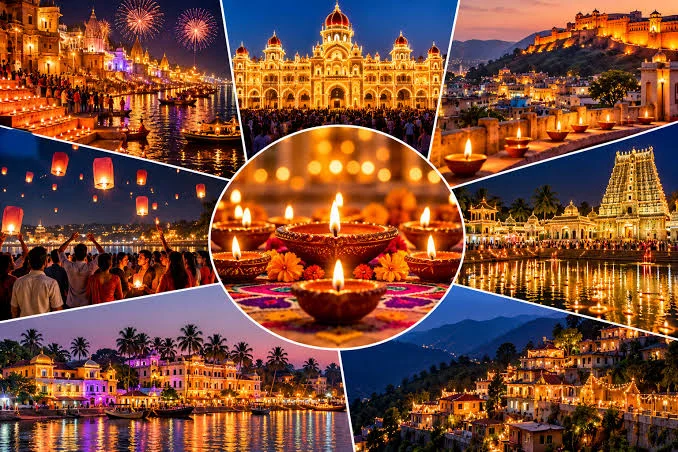
Discover nine distinctive Diwali traditions across India, from Kali Puja in Bengal and Narakasura effigies in Goa to Chopda Pujan in Gujarat
Diwali is widely known as India's festival of lights, celebrated with earthen lamps, colourful rangoli, prayers, sweets and family gatherings. But the festival does not look the same everywhere. While some regions honour Goddess Kali, others commemorate Lord Krishna's victory over Narakasura. Certain communities remember their ancestors, celebrate agricultural traditions or begin a new business accounting year.
In 2026, the main Diwali day falls on November 8. Here are some fascinating traditions that reflect India's cultural and religious diversity.
Grow Your Business with Janatha Mirror
Reach 50,000+ daily readers across Andhra & Telangana
1. Kali Puja in Bengal
In West Bengal, Kali Puja is one of the major highlights of Diwali night. Devotees worship Goddess Kali at temples, homes and elaborately decorated pandals. Special rituals and prayers are held, and streets and religious spaces are illuminated.
While Lakshmi Puja is central to Diwali celebrations in many parts of India, the worship of Goddess Kali gives the festival a distinctive character in Bengal.
2. Burning Narakasura effigies in Goa
In Goa, Naraka Chaturdashi celebrations often include large effigies of Narakasura. These are displayed in public before being burned. The ritual recalls the legend of Lord Krishna's victory over Narakasura and symbolises the triumph of good over evil.
Grow Your Business with Janatha Mirror
Reach 50,000+ daily readers across Andhra & Telangana
The elaborate effigies and community celebrations have become a distinctive feature of the festival in the state.
3. Remembering ancestors in Odisha
Odisha has a tradition known as Kauriya Kathi, in which people light burning jute sticks as part of rituals associated with remembering ancestors. The practice reflects the belief that ancestral blessings bring well-being to the family.
It highlights another dimension of Diwali: beyond celebrations and decorations, the festival can also be a time to remember family roots and spiritual traditions.
Grow Your Business with Janatha Mirror
Reach 50,000+ daily readers across Andhra & Telangana
4. Oil baths and Balipadyami in Karnataka
In Karnataka, an early-morning oil bath is a traditional part of Diwali observances in many households. It is associated with religious stories surrounding Narakasura's defeat.
The day after Diwali is also observed as Balipadyami in several communities. In agricultural areas, customs may include honouring fields, crops and the importance of farming in everyday life.
5. Chopda Pujan in Gujarat
For many Gujarati business communities, Diwali marks an important moment for financial and commercial renewal. During Chopda Pujan, account books are worshipped and new business records may be opened.
Business owners pray for prosperity and success in the coming year. Shops and workplaces are decorated, while families and friends exchange sweets and greetings.
6. Yamadeepdaan in Maharashtra
In Maharashtra, some families observe Yamadeepdaan during Dhanteras by lighting lamps in honour of Yama, the deity associated with death. The ritual is linked to prayers for the well-being and longevity of family members.
The lighting of lamps represents hope, auspiciousness and the wish for protection and peace.
7. Bandi Chhor Divas in the Sikh tradition
For Sikhs, Diwali coincides with Bandi Chhor Divas, which commemorates the release of Guru Hargobind Sahib from imprisonment. The occasion is marked by prayers, devotional singing and illuminated gurdwaras.
The Golden Temple in Amritsar is especially well known for its festive lighting. The observance carries a message of freedom and justice alongside the joy of the season.
8. Naraka Chaturdashi in southern India
Naraka Chaturdashi has particular importance in several southern Indian communities. Families may wake before sunrise, apply oil before bathing, wear new clothes and perform prayers.
These customs are associated with the legend of Lord Krishna defeating Narakasura. The observance celebrates the victory of good over evil and the arrival of a new beginning.
9. Diwali and Mahavira's nirvana in Jainism
Many Jain communities associate Diwali with the nirvana, or spiritual liberation, of Lord Mahavira. Devotees mark the occasion with prayers and religious observances, reflecting the importance of spiritual freedom in Jain tradition.
This association illustrates how the same festival period can carry distinct meanings across India's religious communities.
Different rituals, shared values
Diwali's regional traditions may differ in their stories, rituals and symbols, but many share themes of hope, renewal, family bonds and the triumph of goodness. Some customs are rooted in mythology, while others reflect agriculture, commerce, remembrance or spiritual liberation.
With Diwali 2026 falling on November 8, these varied traditions offer a reminder of India's rich cultural heritage. The ways people celebrate may differ, but sharing joy, strengthening relationships and welcoming new beginnings remain common threads.
Read also:
💬 Reader Opinions & Discussion0
Login Required to Share Your Opinion
Only verified and logged-in readers can post opinions on Janatha Mirror news stories.