Revised requirements covering fuel systems and electric power-drive systems are scheduled for new vehicles manufactured from April 2029. Event data recorder standards are also being introduced.
India Tightens Vehicle Safety Rules to Reduce Fire Risks in Petrol Cars and EVs
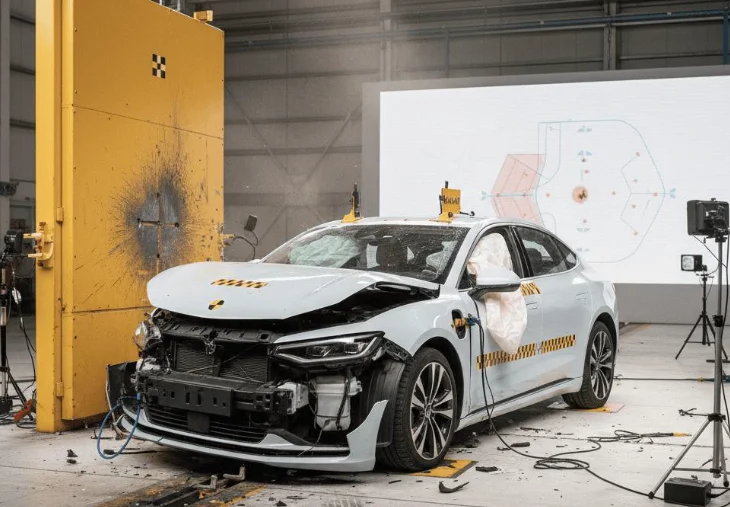
India is strengthening vehicle safety requirements to reduce fuel leaks, fires and electrical hazards following collisions. According to The Economic Times, updated standards for fuel systems and electric power-drive systems will apply to new vehicles manufactured from April 2029, while event data recorder requirements are scheduled to take effect from October 2029.
India is tightening vehicle safety standards to reduce the risk of fuel leaks, fires and electrical hazards following road accidents, with new requirements covering both conventional petrol-powered vehicles and electric vehicles (EVs).
According to a report by The Economic Times published on October 23, 2026, revised requirements for protecting fuel systems and electric power-drive systems during rear-end collisions will apply to new vehicles manufactured from April 2029.
Grow Your Business with Janatha Mirror
Reach 50,000+ daily readers across Andhra & Telangana
The changes are intended to improve the protection of vehicle occupants by reducing the possibility of fuel leakage from conventional vehicles and electrical hazards associated with EV power-drive systems after a collision. The measures form part of a broader effort to improve crash safety and reduce post-accident risks.
The government is also moving to introduce standards for event data recorders (EDRs). These devices capture relevant technical and vehicle-operation information before, during and after a collision, helping investigators understand how an accident occurred.
The reported timeline sets October 2029 for the applicable EDR requirements. The precise scope and implementation details should be checked against the official notification and relevant vehicle categories.
Grow Your Business with Janatha Mirror
Reach 50,000+ daily readers across Andhra & Telangana
The updated safety framework also addresses other areas of vehicle protection, including frontal and side-impact crash performance and pedestrian safety. These requirements can influence vehicle design, testing procedures and the compliance work manufacturers must complete before launching or producing vehicles.
For automakers, the changes may require engineering updates, additional testing and adjustments to vehicle platforms. Manufacturers will need to ensure that their models meet the applicable standards by the specified deadlines.
For consumers, stronger safety requirements could improve protection in certain types of collisions. However, safety performance will continue to depend on the vehicle design, the specific equipment fitted and how the vehicle is used and maintained.
Grow Your Business with Janatha Mirror
Reach 50,000+ daily readers across Andhra & Telangana
The new requirements will be introduced on a phased timeline rather than applying to every vehicle immediately. Buyers should therefore check the safety equipment and specifications of individual models rather than assume that every car currently on sale already includes the new requirements.
The move signals India's continued focus on vehicle safety as the market expands across petrol, diesel, hybrid and electric technologies. The official notifications will provide the definitive requirements, covered vehicle categories and implementation dates.
💬 Reader Opinions & Discussion0
Login Required to Share Your Opinion
Only verified and logged-in readers can post opinions on Janatha Mirror news stories.