
Import-duty dispute raises questions over tariff classification and the regulatory environment for global automakers.
India and Volkswagen Clash in Court Over $1.2 Billion Tax Demand
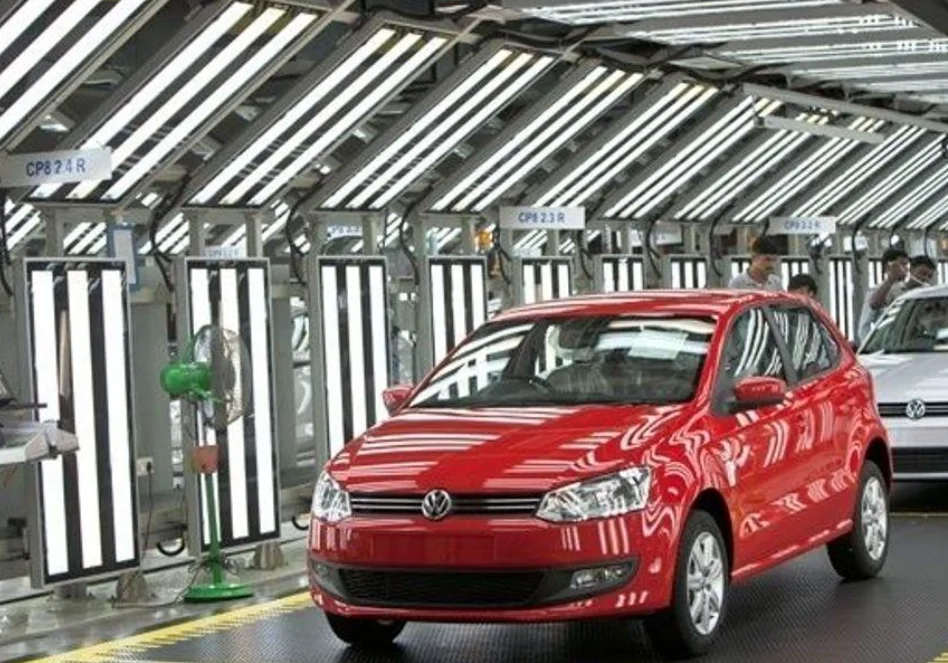
India and Volkswagen have renewed their legal battle over a $1.2 billion import-tax demand in a Mumbai court. The government alleges that the automaker misclassified imported components, while Volkswagen argues that the tax authorities examined imports beyond the legally permitted period.
India and Volkswagen faced off in a Mumbai court on October 29 over a tax demand worth approximately $1.2 billion, according to Reuters. The dispute concerns the classification and valuation of vehicle imports made by the German automaker over several years.
Indian authorities allege that Volkswagen imported nearly complete vehicles in unassembled form but declared the shipments as individual components. According to the government's position, this resulted in the company paying lower import duties than applicable.
Grow Your Business with Janatha Mirror
Reach 50,000+ daily readers across Andhra & Telangana
Volkswagen denies wrongdoing and is challenging the demand.
What is the disagreement about?
The government alleges that the company paid customs duties of around 5–15% by declaring imports as individual parts, whereas the authorities believe the shipments should have attracted duties of approximately 30–35% as nearly complete vehicles imported in unassembled condition.
Volkswagen's legal argument centres on the time period examined by tax authorities. The company has argued that officials cannot go back 12 years when the applicable law limits scrutiny to a shorter period, which it says is five years.
Grow Your Business with Janatha Mirror
Reach 50,000+ daily readers across Andhra & Telangana
The government, meanwhile, has argued that the company did not provide the requested information within the required time.
Implications for Volkswagen's India business
The case is significant for Volkswagen's operations in India, where the company has an estimated market share of around 2%. The automaker is also reportedly discussing a potential stake sale in its Indian operations to JSW.
A large tax liability could influence investment decisions, business planning and the company's future strategy in the country. The case may also attract attention from other international manufacturers that import vehicle components into India.
Grow Your Business with Janatha Mirror
Reach 50,000+ daily readers across Andhra & Telangana
Market Perspective
The dispute highlights the importance of customs classification, documentation and regulatory compliance in the automobile industry. For manufacturers relying on imported components or semi-knocked-down vehicle kits, clarity on tariff treatment is essential for long-term planning.
The tax demand remains contested and should not be treated as a final finding of wrongdoing. The next court proceedings will be important in determining how the legal challenge develops.
💬 Reader Opinions & Discussion0
Login Required to Share Your Opinion
Only verified and logged-in readers can post opinions on Janatha Mirror news stories.