
New notification clears a regulatory path for compatible vehicles, but existing petrol cars cannot automatically use high-ethanol fuel
India Updates Vehicle Rules to Support E85 and E100 Flex-Fuel Cars
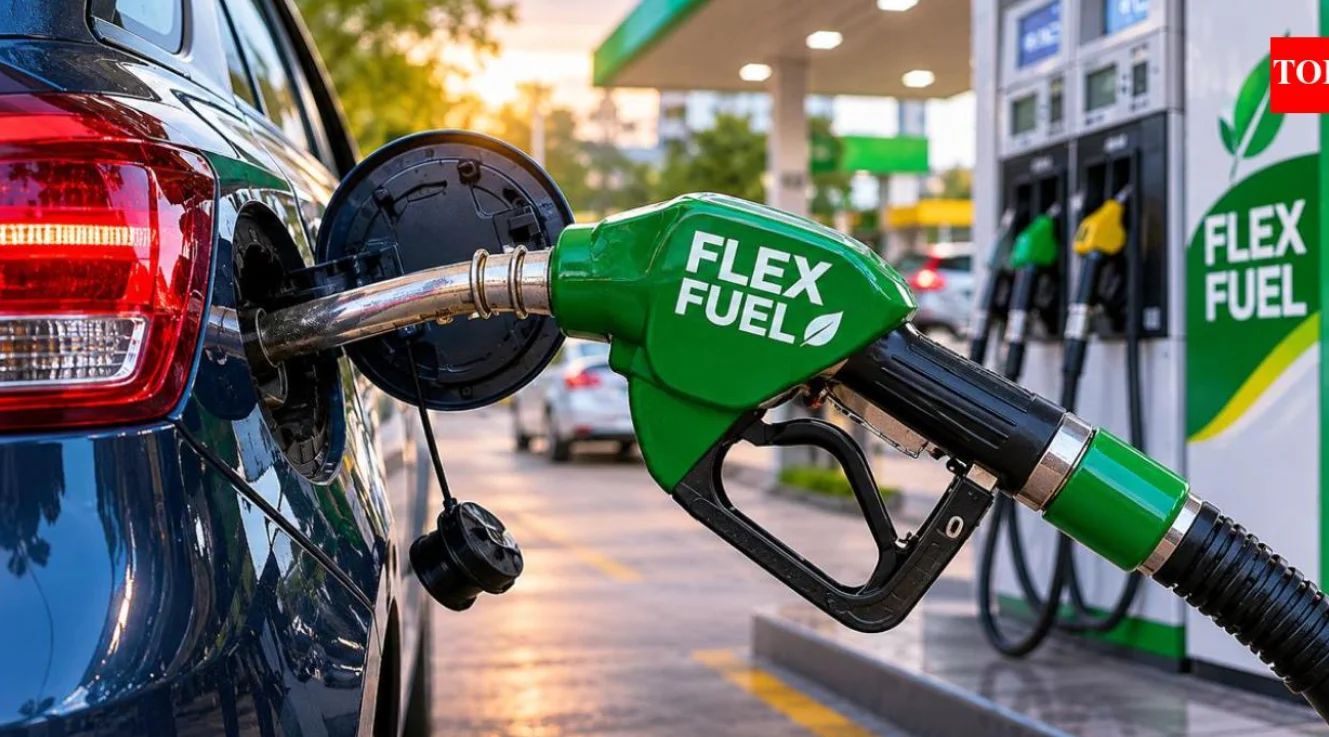
The Ministry of Road Transport and Highways has amended vehicle rules to include E100 alongside E85 in relevant emission-certification provisions. The change supports specially designed flex-fuel vehicles and does not mean ordinary petrol cars can use these fuels.
Regulatory changes for high-ethanol fuels
India's Ministry of Road Transport and Highways has amended the Central Motor Vehicles Rules, 1989, to facilitate flex-fuel vehicles designed to operate on E85 and other high-ethanol blends, including E100. The ministry announced the change on October 26, 2026.
E85 contains up to 85% ethanol by volume, while E100 is predominantly ethanol. The updated rules include E100 in relevant emission-certification provisions, subject to the safety and emission requirements applicable to the vehicle category.
Grow Your Business with Janatha Mirror
Reach 50,000+ daily readers across Andhra & Telangana
Not every petrol car is compatible
The ministry has clearly stated that E85 and E100 are intended for vehicles specifically designed and certified to use these fuels. Compatibility with E10 or E20 petrol does not establish that a vehicle can safely run on E85 or E100.
Owners of existing vehicles are not required to modify their cars or switch fuels because of this notification. Drivers should check the fuel-compatibility label on their vehicle and consult the owner's manual or manufacturer before using any high-ethanol blend.
Why the policy matters
Flex-fuel vehicles are designed to operate with different proportions of petrol and ethanol within their approved range. Their fuel-system components and engine controls are configured for the fuels they are certified to use.
Grow Your Business with Janatha Mirror
Reach 50,000+ daily readers across Andhra & Telangana
The government says greater use of domestically produced ethanol could help reduce dependence on imported crude oil. Environmental benefits depend on factors such as the feedstock used and the full fuel-production process.
Market Perspective
The rule change creates a clearer regulatory framework for manufacturers considering high-ethanol-compatible vehicles. However, consumer adoption will depend on the availability of compatible models, fuel distribution infrastructure, price competitiveness and clear guidance for vehicle owners.
For motorists, the immediate takeaway is simple: this notification is not permission to put E85 or E100 into any existing petrol vehicle. Manufacturer certification and fuel compatibility remain essential.
Grow Your Business with Janatha Mirror
Reach 50,000+ daily readers across Andhra & Telangana
💬 Reader Opinions & Discussion0
Login Required to Share Your Opinion
Only verified and logged-in readers can post opinions on Janatha Mirror news stories.